


Harbor Animal Hospital is now permanently closed. For continued care, we recommend Gray Animal Hospital.

The 3-3-3 Rule for Kittens: A Guide to Helping Your Kitten Settle In
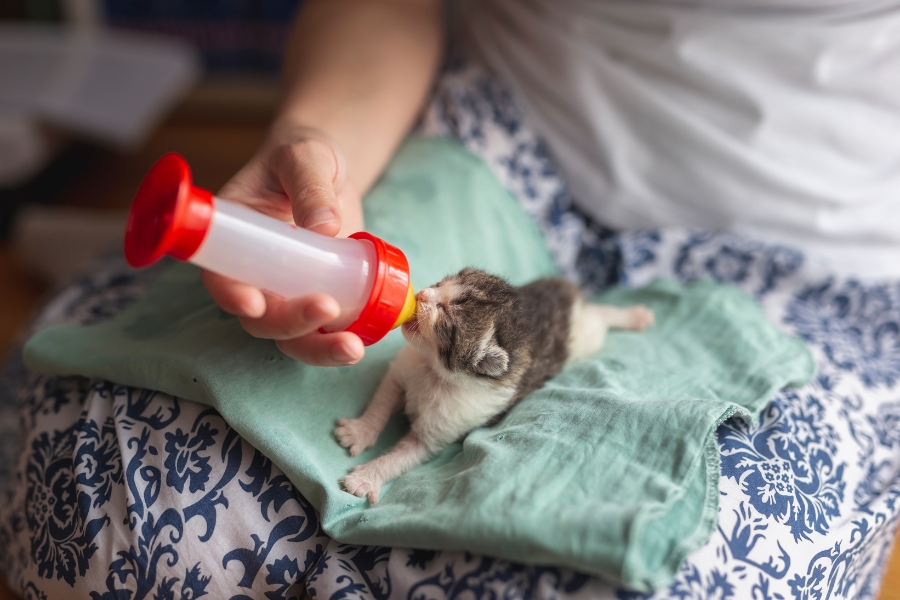
When you adopt a kitten, it’s important to understand that they may need some time to adjust to their new environment. The transition can be a little overwhelming, but understanding the 3-3-3 rule can make this process smoother for both you and your new furry friend. This rule outlines the three stages of adjustment that kittens go through when they are introduced to a new home. By following the guidelines of this rule, you can help your kitten feel safe, secure, and comfortable as they settle in.
What Is the 3-3-3 Rule for Kittens?
The 3-3-3 rule is a helpful framework for understanding the phases a kitten goes through during their adjustment period. It essentially breaks down the first 9 days of a kitten’s transition into three distinct stages. These stages involve physical, emotional, and psychological changes, and each phase is marked by a specific set of behaviors. Let’s dive deeper into each of the three phases:
1. The First 3 Days: The Honeymoon Period
During the first three days in a new home, your kitten is likely to be in what we call the “honeymoon phase.” This is when they are still processing their new surroundings, and everything is a bit overwhelming. Your kitten may be curious but also slightly stressed as they try to adjust to their new home.
- Behavioral Signs: Expect your kitten to be a bit withdrawn or shy. They might hide under the couch or in a safe, quiet space as they begin to familiarize themselves with their new environment.
- What to Do: Give your kitten space to explore on their own terms. You can set up a quiet space where they feel secure, such as a small room or a cozy bed. Offer food, water, and a litter box close to where they are resting, but try not to overwhelm them with too much attention just yet. Let them come to you when they feel comfortable.
2. The Next 3 Days: Building Trust and Adjustment
The next three days mark a significant change in your kitten’s behavior. They begin to feel more comfortable in their new home and start becoming more curious about their surroundings. This is when trust starts to build, but they might still be a little cautious.
- Behavioral Signs: Your kitten will likely start to explore more of the house but may still be timid around new people or noises. They may start to approach you and show more interest in their environment.
- What to Do: At this stage, you can begin to interact more with your kitten. Gently offer them toys, pet them softly, and allow them to explore their new surroundings under your supervision. It’s important to continue giving them space while also offering reassurance with calm and gentle interactions.
3. The Final 3 Days: Feeling at Home
The final three days are where the most noticeable change occurs. Your kitten has now spent almost a week adjusting to their new home and has started to feel more secure. They will begin to show their true personality as the stress from the initial adjustment period fades away.
- Behavioral Signs: By now, your kitten may start to feel more comfortable and confident. They will likely start engaging with you more frequently, becoming playful and affectionate. They may show interest in their food and toys and might even begin to explore more areas of the house.
- What to Do: This is when you can start to establish a routine with your kitten. Offer regular meals, playtime, and safe interaction to continue fostering trust. They may still need some quiet time alone, but they should now feel at home in your care.
Why Is the 3-3-3 Rule Important for Kittens?
Understanding the 3-3-3 rule for kittens helps you manage your expectations during the adoption process. Kittens are naturally sensitive to change, and their initial behavior can be a reflection of how overwhelmed they are by their new environment. The 3-3-3 rule serves as a helpful guideline to ensure that you give your kitten the right amount of time and space to adjust at their own pace.
It’s essential to note that every kitten is unique, and some may take longer to adjust than others. Some kittens may take to their new home almost immediately, while others might need extra time and patience. In any case, following the 3-3-3 rule can help you navigate the adjustment period with a better understanding of what to expect from your new kitten.
Tips for Helping Your Kitten Settle In
- Provide a Safe Space: During the first few days, make sure your kitten has a designated quiet area where they can retreat and feel secure. A cozy bed, a litter box, and some food and water should be easily accessible.
- Be Patient: Remember that kittens are adjusting to a lot of changes at once. Be patient and avoid forcing interactions. Let them come to you when they feel ready.
- Establish a Routine: Once your kitten starts to feel at home, try to establish a daily routine for feeding, playtime, and cuddles. Routines help kittens feel more secure and comfortable.
- Positive Reinforcement: Use treats, praise, and gentle petting to reward your kitten for brave behaviors like exploring or coming to you. Positive reinforcement helps build confidence.
Understanding the 3-3-3 rule is essential when helping your new kitten settle into their home. This rule provides a clear framework for the adjustment period, which can be overwhelming for kittens as they navigate new surroundings. By following the three stages—starting with the initial stress, moving into trust-building, and finally reaching comfort and confidence—you can ensure that your kitten’s transition is as smooth as possible. Remember, every kitten is different, so patience is key. With time, love, and a little guidance, your kitten will soon feel right at home. For kitten care in Winthrop Harbor, IL, following the 3-3-3 rule will help your furry friend thrive and become a happy member of your family.
FAQs
Q1. What is the 3-3-3 rule for kittens?
Ans. The 3-3-3 rule refers to the three stages of a kitten’s adjustment to a new home. It includes the first three days of stress, the next three days of building trust, and the final three days when they start feeling at home.
Q2. How long does it take for a kitten to adjust to a new home?
Ans. Kittens typically take about 9 days to adjust to a new home, divided into three stages: initial stress, trust-building, and comfort. However, some may take more or less time.
Q3. How can I help my kitten settle in during the first few days?
Ans. Provide a safe, quiet space for your kitten to explore at their own pace. Avoid overwhelming them with too much attention, and ensure food, water, and a litter box are easily accessible.
Q4. How do I know when my kitten is ready for more interaction?
Ans. After the first 3 days, your kitten will begin to show more curiosity and may approach you. Continue offering gentle playtime and petting to build trust, but always respect their space.
Q5. What should I do if my kitten doesn’t adjust well to their new home?
Ans. Every kitten is different, and some may take longer to adjust. Be patient, and give them more time. If behavior problems persist, consider speaking to a veterinarian or a pet behaviorist for guidance.
Q6. Is the 3-3-3 rule only for kittens, or does it apply to adult cats as well?
Ans. While the 3-3-3 rule is most commonly applied to kittens, it can also be useful for adult cats adjusting to a new home. The adjustment may take longer for adult cats, depending on their past experiences.