

Harbor Animal Hospital is now permanently closed. For continued care, we recommend Gray Animal Hospital.

Puppy Nutrition 101: The Best Foods for Healthy Growth and Development
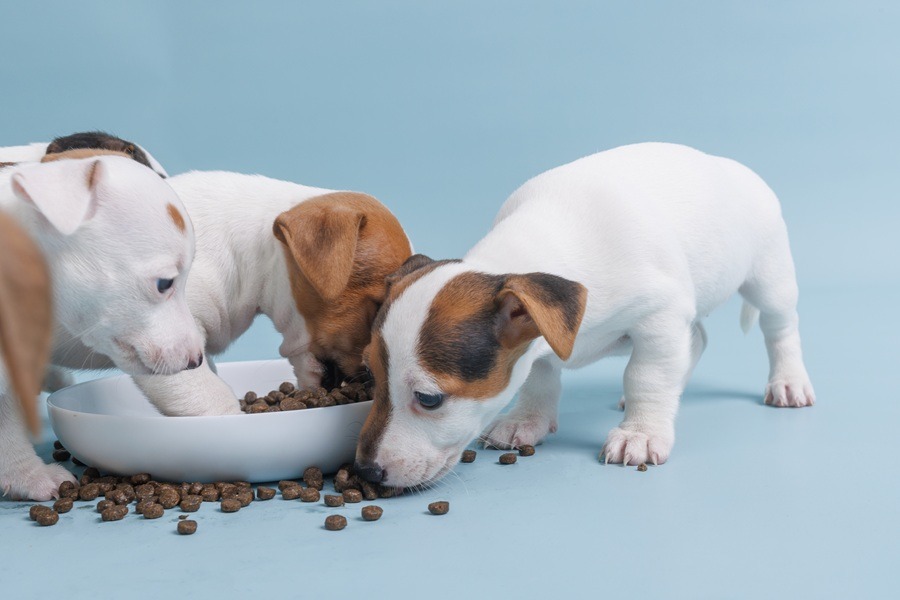
Raising a healthy puppy involves more than just providing a loving home and plenty of playtime. One of the most important factors in your puppy’s growth and well-being is nutrition. Proper puppy nutrition supports strong bones, healthy muscle development, a shiny coat, and a robust immune system. Choosing the right food for your puppy can be overwhelming, but understanding their nutritional needs is key to ensuring they grow into a healthy, happy dog.
Understanding Puppy Nutrition Needs
Puppies have higher nutritional needs compared to adult dogs. They are growing at a rapid rate, and this requires specific nutrients to fuel their growth and development. Puppy food should provide more calories, protein, fat, and certain vitamins and minerals than adult dog food, ensuring that your puppy gets everything they need.
At their core, a puppy’s diet should consist of:
- High-quality protein: Protein is essential for muscle development and growth. It is important to choose puppy food that lists meat as the first ingredient, such as chicken, beef, or lamb.
- Healthy fats: Fats are a concentrated source of energy and are necessary for brain development, skin health, and a shiny coat. Omega-3 and omega-6 fatty acids, in particular, support brain function and eye development.
- Vitamins and minerals: Essential nutrients like calcium, phosphorus, and vitamins A, D, and E are crucial for bone growth, immune system function, and overall health.
- Carbohydrates: Whole grains and vegetables are great sources of fiber, which aids digestion, and provide a steady source of energy for your active puppy.
Choosing the Best Puppy Food: Key Considerations
With so many puppy food options available, it’s important to choose one that meets the specific needs of your puppy. Below are key considerations when selecting the best puppy food:
1. High-Quality Ingredients
Look for puppy food made with high-quality ingredients. The first ingredient should be a named animal protein (such as chicken, lamb, or turkey) to ensure your puppy is getting quality protein. Avoid foods that list “by-products” or “meat meal” as the first ingredient. These are often low-quality protein sources and may not provide the nutrition your puppy needs.
In addition to protein, the food should include wholesome grains like brown rice, oats, or barley, which are easy to digest and provide essential carbohydrates. Vegetables like sweet potatoes and carrots are also beneficial for their vitamins, minerals, and fiber.
2. Specific Formulas for Your Puppy’s Breed Size
Puppies come in all sizes, and their nutritional needs can differ based on their breed. Small-breed puppies have fast metabolisms and require calorie-dense food, while large-breed puppies grow at a slower rate and require food with a balanced calcium-to-phosphorus ratio to prevent joint problems.
- Small Breed Puppies: These puppies require higher energy and nutrient-dense food. Look for food labeled for small breeds, which has higher protein and fat content to support their rapid growth.
- Large Breed Puppies: Large-breed puppies require food with lower calorie density and a careful balance of calcium and phosphorus to prevent excessive bone growth that could lead to joint issues.
3. Complete and Balanced Diet
Ensure that the food you choose for your puppy meets the standards set by the Association of American Feed Control Officials (AAFCO). AAFCO guidelines ensure that the food is nutritionally complete and balanced for growth and development. Foods with an AAFCO statement of nutritional adequacy will provide the right proportions of protein, fat, and essential vitamins and minerals.
If you’re unsure about what food is best for your puppy, consult your veterinarian. They can provide personalized recommendations based on your puppy’s specific breed, size, and health needs.
4. Wet Food vs. Dry Food
Both wet and dry food have their benefits, and the right choice depends on your puppy’s preferences and needs.
- Dry Food (Kibble): Dry food is generally more convenient, affordable, and can help with dental health. The crunchy texture of kibble helps reduce plaque buildup and supports good oral hygiene.
- Wet Food: Wet food is more palatable and provides higher moisture content, which is especially helpful for puppies that are not drinking enough water. Wet food is also softer, making it easier to eat for puppies with sensitive teeth or those recovering from illness or surgery.
Many pet owners opt to mix wet and dry food to provide variety and offer the benefits of both types. This combination can be an excellent way to give your puppy a balanced diet while making mealtime more enjoyable.
5. Avoid Fillers and Artificial Additives
When selecting puppy food, avoid products with fillers like corn, soy, and wheat. These ingredients are not nutritionally beneficial and may cause digestive issues or food sensitivities in some puppies. Similarly, steer clear of food with artificial colors, flavors, or preservatives. These additives provide no nutritional value and could potentially harm your puppy’s health.
Look for food that lists whole, natural ingredients, and avoid foods that contain by-products or low-quality grains.
6. Transitioning to Adult Food
As your puppy grows, their nutritional needs will change. Typically, puppies are transitioned to adult food when they reach about 12 months of age, although this can vary depending on their breed size. Small breeds may mature earlier and can transition to adult food at around 9 months, while large breeds may continue on puppy food for up to 18 months.
When transitioning to adult food, do so gradually over the course of 7-10 days to avoid upsetting your puppy’s stomach. Mix increasing amounts of the new food with the old food to ensure a smooth transition.
Feeding Your Puppy: How Much and How Often?
Puppies have smaller stomachs but higher energy needs, so it’s important to feed them several smaller meals throughout the day. Typically, puppies are fed 3-4 times a day, depending on their age. As they grow, you can gradually reduce the frequency of meals to twice a day.
The amount of food you should feed your puppy will depend on their breed, size, age, and activity level. Always follow the feeding guidelines on the food packaging, but consult your veterinarian to adjust portions based on your puppy’s individual needs.
Proper puppy nutrition is crucial for their healthy growth and development. By selecting high-quality puppy food tailored to your pet’s specific breed size, activity level, and nutritional needs, you can give them the best start in life. Ensure that the food is nutritionally balanced and made with high-quality ingredients. Regularly monitor your puppy’s weight and growth, and adjust their diet as needed to keep them healthy. For puppy care in Winthrop Harbor, IL, always consult your veterinarian for personalized recommendations and to ensure your puppy is getting the best nutrition possible.
FAQs
Q1. How do I know if my puppy is getting the right nutrition?
Ans. The best way to know if your puppy is getting the right nutrition is to monitor their growth, coat condition, and energy levels. Regular vet check-ups can also help ensure they are thriving.
Q2. Can I feed my puppy adult dog food?
Ans. No, puppies require food specially formulated for their growth and development. Adult dog food does not have the necessary nutrients to support a puppy’s rapid growth.
Q3. How much food should I feed my puppy?
Ans. The amount of food depends on your puppy’s size and breed. Follow the feeding guidelines on the food packaging and consult your vet to adjust portions based on your puppy’s individual needs.
Q4. Can I mix wet and dry food for my puppy?
Ans. Yes, mixing wet and dry food can provide variety in texture and flavor, while offering the benefits of both types. This combination helps with hydration and digestion.
Q5. When should I switch my puppy to adult food?
Ans. Puppies are typically transitioned to adult food between 9-18 months, depending on their breed size. Consult your vet to determine the right time for your puppy.
Q6. What ingredients should I avoid in puppy food?
Ans. Avoid foods with fillers like corn, soy, or wheat, and steer clear of artificial additives, preservatives, or by-products. Look for food with high-quality protein and natural ingredients.