

Harbor Animal Hospital is now permanently closed. For continued care, we recommend Gray Animal Hospital.

3-3-3 Rule for Dogs: Essential Guide for New Pet Owners
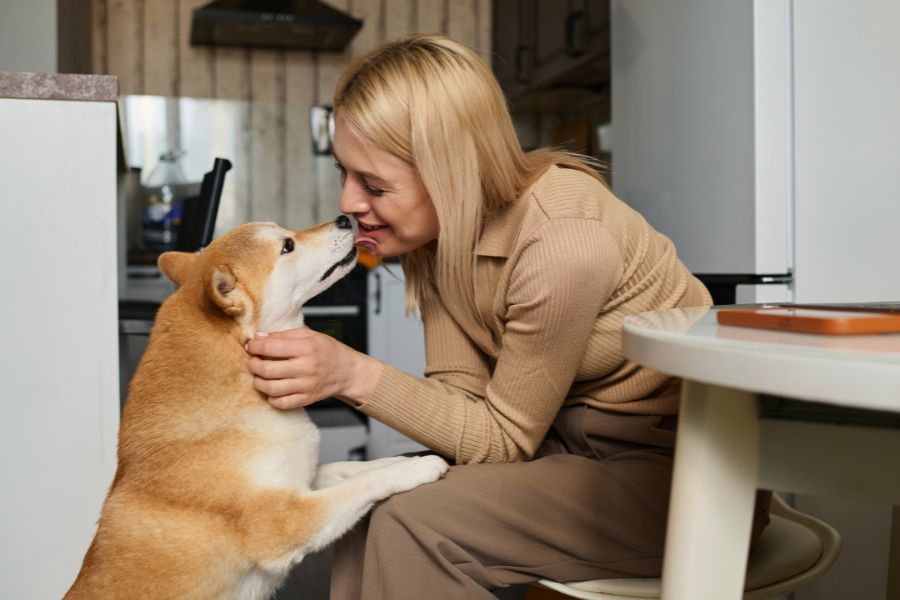
Bringing a new dog home is an exciting milestone. However, it can also feel overwhelming when your new companion behaves differently than expected. Many pet owners worry if their dog seems withdrawn, anxious, or unsure during the first few weeks. Fortunately, the 3-3-3 rule for dogs provides a clear and compassionate roadmap to understand this transition period.
This rule explains how dogs typically adjust during their first 3 days, 3 weeks, and 3 months in a new home. By following this guideline, pet owners can develop realistic expectations, reduce stress, and build trust with their dog over time. Whether you have adopted a rescue or welcomed a young pup, understanding this process helps ensure a smoother adjustment—especially for families in Winthrop Harbor, IL.
What Is the 3-3-3 Rule for Dogs?
The 3-3-3 rule for dogs is a widely recognized framework that outlines how most dogs emotionally and behaviorally adapt after entering a new environment. While each dog is unique, this guideline helps owners recognize normal behaviors during each stage of adjustment.
Rather than expecting immediate bonding or obedience, the rule encourages patience, structure, and consistency. As a result, dogs feel safer, more confident, and better supported as they settle into their new routine.
Breaking Down the 3-3-3 Rule
First 3 Days: Decompression Phase
During the first three days, dogs often feel overwhelmed. New sights, sounds, people, and smells can create stress and uncertainty. As a result, many dogs may appear quiet, tired, or hesitant.
Common behaviors during this stage include:
- Hiding or avoiding interaction
- Reduced appetite
- Excessive sleeping
- Nervous pacing
- Limited responsiveness
At this stage, it’s best to keep your home calm. Avoid introducing visitors, loud activities, or excessive handling. Instead, allow your dog to observe their surroundings at their own pace.
First 3 Weeks: Learning the Routine
Once the initial shock fades, dogs begin to understand their environment. During these three weeks, they start recognizing daily schedules, household rules, and familiar faces.
You may notice:
- Improved appetite
- Increased curiosity
- Emerging personality traits
- Testing boundaries
- Better engagement during walks
This phase is ideal for establishing structure. Consistent feeding times, potty schedules, and short training sessions help reinforce stability. Additionally, gentle guidance during this period supports emotional security and early learning.
First 3 Months: Building Trust and Confidence
By the three-month mark, most dogs feel comfortable and secure in their new home. Their behavior becomes more predictable, and genuine bonding takes place.
Signs of progress include:
- Strong attachment to family members
- Greater confidence at home
- Improved obedience
- Consistent routines
- Willingness to explore new environments
This stage lays the foundation for long-term companionship. Continued training, socialization, and preventive veterinary visits further strengthen your dog’s well-being.
Why the 3-3-3 Rule Matters for Pet Owners
Understanding this rule prevents unrealistic expectations. Many dogs returned to shelters struggle simply because owners misunderstand normal adjustment behaviors. Therefore, following this timeline benefits both dogs and humans.
Key advantages include:
- Reduced frustration during early weeks
- Better training outcomes
- Stronger emotional bonds
- Lower stress levels
- Improved long-term behavior
By respecting your dog’s pace, you encourage trust rather than fear.
How the 3-3-3 Rule Supports Puppy Care
Although often associated with rescue dogs, this rule also benefits young pups. Early puppy care requires patience, structure, and emotional reassurance. Puppies may adapt faster than adult dogs, but they still need time to feel secure.
During early puppy care, routines, positive reinforcement, and gentle exposure to new experiences play a vital role. The 3-3-3 framework helps owners avoid rushing training or socialization too quickly.
Tips to Help Your Dog Adjust Smoothly
Create a Safe Space
Provide a quiet area where your dog can retreat without interruption. This could be a crate or a cozy corner.
Maintain Consistency
Predictable schedules help dogs feel secure. Feed, walk, and rest your dog at the same times daily.
Use Positive Reinforcement
Reward calm behavior, obedience, and progress with treats, praise, or gentle affection.
Introduce New Experiences Gradually
Avoid overwhelming your dog with too many people or environments at once.
Keep Training Sessions Short
Brief, positive sessions are more effective than long, demanding ones.
Common Challenges During the Adjustment Period
Even with preparation, some challenges may arise.
Anxiety or Fearfulness
New surroundings may trigger nervous behaviors. Calm reassurance and stability help reduce anxiety.
House-Training Setbacks
Regression is common. Frequent potty breaks and praise reinforce good habits.
Leash Reactivity
Limited previous exposure may cause pulling or barking. Consistent practice improves behavior over time.
Resource Guarding
Stress can lead to guarding food or toys. Professional guidance may be helpful if this occurs.
When to Seek Veterinary Guidance
While adjustment behaviors are normal, some signs require medical attention:
- Refusal to eat for over 48 hours
- Persistent vomiting or diarrhea
- Extreme lethargy
- Signs of pain or aggression
Scheduling an early wellness exam helps rule out underlying health concerns and supports a healthy transition.
The 3-3-3 rule for dogs offers a realistic and compassionate way to understand your dog’s emotional journey into a new home. By allowing time for decompression, adjustment, and bonding, pet owners create a supportive environment where dogs can truly thrive.
If you are in Winthrop Harbor, IL and are searching for exceptional guidance and care for your new pet, Harbor Animal Hospital provides dependable, compassionate veterinary services to support a smoother transition. Book an appointment to ensure your dog starts their new life healthy, happy, and supported.
FAQs
Q1. What is the 3-3-3 rule for dogs?
The 3-3-3 rule explains how dogs typically adjust to a new home over three stages: the first 3 days of decompression, 3 weeks of learning routines, and 3 months of building trust and confidence.
Q2. Does the 3-3-3 rule apply to all dogs?
Yes, the guideline applies to most dogs, especially rescue and adopted dogs. However, each dog adjusts at their own pace based on age, temperament, and past experiences.
Q3. Can puppies follow the 3-3-3 rule timeline?
Puppies may adapt faster than adult dogs, but they still benefit from structure and patience. The timeline may vary depending on their early socialization and environment.
Q4. What should I avoid during the first 3 days after adoption?
Avoid loud environments, frequent visitors, intense training, or overwhelming affection. Giving your dog space and a calm routine helps reduce stress.
Q5. How do I know my dog is adjusting well?
Signs of healthy adjustment include improved appetite, relaxed body language, interest in play, following routines, and showing affection over time.
Q6. When should I contact a veterinarian during the adjustment period?
Contact a veterinarian if your dog refuses food for more than two days, shows persistent vomiting or diarrhea, displays extreme lethargy, or exhibits sudden aggressive behavior.