

Harbor Animal Hospital is now permanently closed. For continued care, we recommend Gray Animal Hospital.

The Complete Age-by-Age Preventive Care Checklist for Dogs
Keeping a dog healthy takes more than love and daily walks. Every stage of life comes with unique needs that shape long-term well-being. A structured approach helps pet owners stay ahead of common health concerns while building strong habits early. A thoughtful dog care guide makes it easier to track changes and respond at the right time.
Pet families often feel unsure about what their dog truly needs at each age. This blog is especially for pet owners in Winthrop Harbor, IL, who want a clear, practical plan to keep their dogs healthy year after year. A step-by-step dog health checklist allows better planning, fewer surprises, and a more comfortable life for every dog.
Why Preventive Care Matters at Every Stage
Preventive care focuses on preventing problems before they begin, rather than reacting after symptoms appear. Early action reduces the risk of illness and long-term complications and helps dogs live longer, happier lives. A consistent dog preventative care routine keeps important health markers on track while strengthening the bond between pet and owner.
Regular visits to the vet create a baseline for your dog’s health. Changes become easier to notice when there is a record to compare against. The veterinarian also helps guide decisions about diet, exercise, and routine care that can otherwise feel overwhelming.
Puppy Stage: Building a Strong Foundation (0–12 Months)
Puppyhood moves fast, but it sets the tone for a dog’s entire life. Early care shapes physical growth, behavior, and immune strength.
Essential Health Steps for Puppies
Young dogs need frequent monitoring to ensure proper development. The veterinarian usually recommends a series of visits during the first year.
- Vaccination Schedule
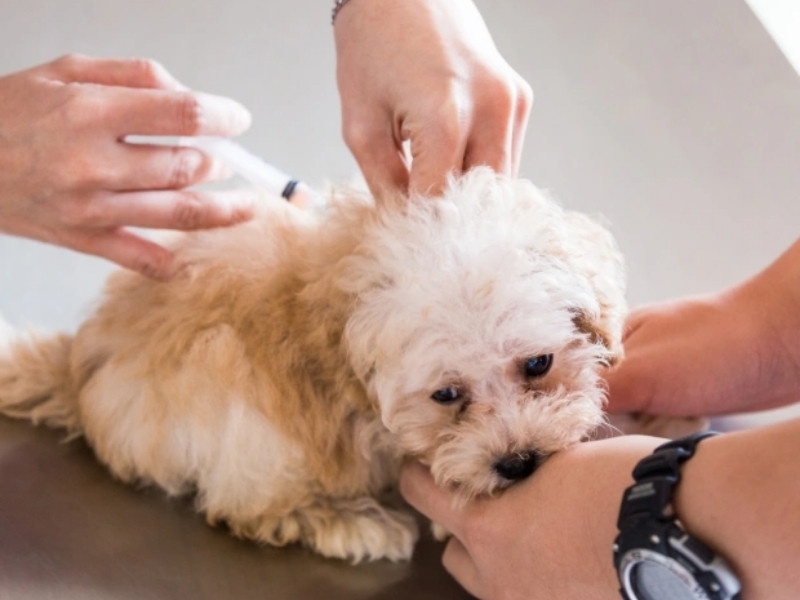
Puppies require a set of core vaccines spaced over several weeks. These protect against serious diseases and build immunity during a vulnerable stage. - Parasite Prevention
Intestinal worms, fleas, and ticks can affect puppies quickly. Preventive medication helps keep these risks under control while supporting healthy growth. - Nutrition Planning
High-quality puppy food supports bone development and energy needs. Portion control is important for preventing rapid weight gain.
Behavior and Social Development
Training and social exposure shape how a dog interacts with people and other animals. Gentle guidance during this stage prevents fear and aggression later.
- Basic Training Habits
Teaching commands like sit, stay, and recall builds communication. Short sessions work best for young attention spans. - Safe Social Exposure
Positive experiences with people, pets, and environments help puppies grow into confident adults.
Routine checkups with the veterinary team help monitor growth milestones and adjust care when needed.
Adult Dogs: Maintaining Health and Balance (1–7 Years)
Adult dogs often appear healthy, but consistent care remains essential. Small issues can develop quietly without regular monitoring.
Core Preventive Care for Adult Dogs
A structured dog wellness plan helps maintain stability during these active years.
- Annual exams
An annual vet checkup for dogs allows early detection of health concerns. Routine bloodwork and physical exams give a clear picture of internal health. - Weight management
Obesity leads to joint strain and other conditions. Balanced meals and regular exercise keep weight within a healthy range. - Dental care routine
Dental disease can affect overall health. Regular brushing and dental cleanings prevent buildup and discomfort.
Exercise and Mental Stimulation
Dogs in this stage benefit from consistent activity and engagement. Physical exercise supports heart health, while mental stimulation reduces boredom-related behavior.
- Daily activity plans
Walks, playtime, and interactive games keep dogs active and engaged. - Enrichment activities
Puzzle toys and training challenges provide mental stimulation that supports overall well-being.
A trusted vet plays an important role in tailoring care to a pet’s breed, lifestyle, and health history.
Senior Dogs: Adjusting for Changing Needs (7+ Years)
Aging brings new challenges that require closer attention. Dogs may slow down, but quality of life can remain high with proper care.
Key Health Priorities for Senior Dogs
Regular monitoring becomes more important as dogs age. Early detection helps manage age-related conditions effectively.
- Frequent Health Screenings
Older dogs benefit from more frequent exams. Blood tests and imaging help identify issues before symptoms worsen. - Joint and Mobility Care
Arthritis and stiffness are common in senior dogs. Supplements, gentle exercise, and supportive bedding can improve comfort. - Diet Adjustments
Senior dogs often need fewer calories but more targeted nutrients. Specialized diets support organ health and weight control.
Watching for Behavioral Changes
Behavior shifts can signal underlying health concerns. Paying attention to these changes helps address issues early.
- Sleep pattern changes
Increased rest or restlessness may indicate discomfort or cognitive changes. - Appetite variations
Loss of appetite or sudden changes in hunger should not be ignored.
Regular visits to the veterinarian ensure that aging dogs receive personalized care suited to their evolving needs.
Preventative Care Essentials Across All Life Stages
Certain habits remain important throughout a dog’s life. Consistency helps prevent many common health issues.
Daily and Monthly Care Checklist
- Balanced nutrition
Feeding a high-quality diet supports energy, immunity, and overall health. - Grooming routine
Brushing, bathing, and nail trimming prevent skin issues and discomfort. - Parasite protection
Year-round prevention reduces the risk of fleas, ticks, and heartworms.
Regular Monitoring at Home
Pet owners play a key role in spotting early warning signs. Observing small changes can make a big difference.
- Skin and coat condition
Shiny coats and clear skin often indicate good health. - Energy levels
Sudden drops in activity may signal underlying concerns.
Guidance from the veterinary team helps ensure these routines are effective and tailored to each dog.
Common Mistakes Pet Owners Should Avoid
Even caring pet owners can miss important steps without clear guidance. Avoiding common mistakes improves long-term outcomes.
- Skipping routine exams
Regular visits to the vet help catch issues early before they become serious. - Overfeeding or underfeeding
Portion control plays a major role in maintaining a healthy weight. - Ignoring dental health
Dental issues often go unnoticed but can lead to bigger health problems. - Delaying treatment
Waiting too long to address symptoms can make conditions harder to manage.
The veterinarian provides clarity and direction, helping pet owners make informed decisions.
How to Build a Personalized Care Routine
Every dog is unique, so a one-size-fits-all approach rarely works. Age, breed, lifestyle, and medical history all influence care needs.
Steps to Create a Reliable Plan
- Track health history
Keeping records of visits, vaccines, and treatments helps identify patterns. - Set reminders
Scheduling vaccinations, medications, and checkups prevents missed care. - Consult regularly
The veterinary team can adjust plans as your dog grows and changes.
Consistency and attention to detail create a strong foundation for lifelong health.
A Healthier Future Starts With the Right Steps
Caring for a dog at every stage requires attention, planning, and the right guidance. Harbor Animal Hospital offers preventative services designed to support dogs from puppyhood through their senior years. Personalized care helps address each dog’s unique needs while promoting long-term wellness.
FAQs
1. How often should dogs visit the vet?
Most adult dogs benefit from yearly visits, while puppies and senior dogs may need more frequent checkups to monitor growth or aging changes.
2. What is included in a preventative care plan?
A typical plan includes vaccinations, parasite prevention, dental care, routine exams, and nutritional guidance tailored to your dog’s needs.
3. When should I switch my dog to senior care?
Many dogs transition to senior care around seven years of age, although larger breeds may reach this stage earlier.
4. Why is dental care important for dogs?
Dental health affects the entire body. Poor oral hygiene can lead to infections that impact vital organs over time.
5. Can I create a care routine at home?
Home routines are important, but guidance from the veterinarian ensures that care remains accurate and effective for your dog’s specific needs.