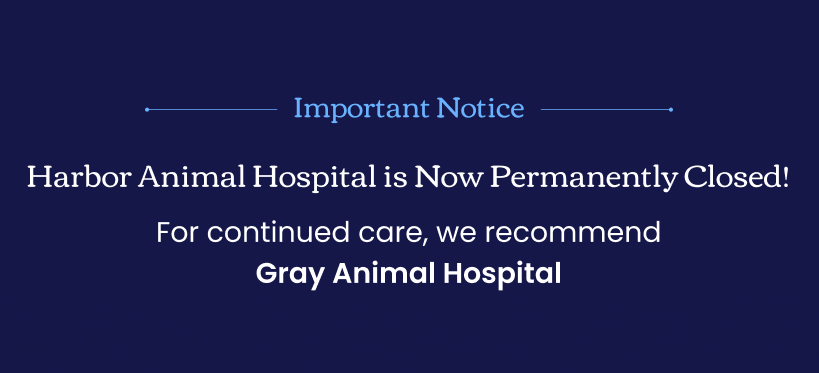


Harbor Animal Hospital is now permanently closed. For continued care, we recommend Gray Animal Hospital.

Annual Pet Wellness Checklist: Exams, Vaccines, and Health Tips

Every pet deserves a long, healthy, and joyful life. While love, attention, and a comfortable home are essential, annual wellness care plays an equally important role. Regular checkups, preventive screenings, vaccines, and healthy habits help ensure your pet stays safe from diseases and enjoys the best quality of life. Furthermore, staying proactive with wellness care can help detect problems early—before they become costly or life-threatening.
In this comprehensive guide, you’ll find a complete annual pet wellness checklist designed to keep your furry companion in top shape all year long.
1. Schedule an Annual Physical Exam
Your pet’s annual physical exam is the foundation of their wellness plan. During the visit, veterinarians closely evaluate all major body systems—from skin and coat to heart and lungs.
A typical exam includes:
- Weight and Body Condition Evaluation – Helps identify obesity or unhealthy weight loss.
- Skin and Coat Assessment – Detects allergies, parasites, or infections.
- Eye and Ear Examination – Identifies early signs of infections or degenerative conditions.
- Heart and Lung Check – Ensures proper cardiovascular and respiratory function.
- Joint and Mobility Check – Helps detect arthritis or early joint issues.
Moreover, annual exams give pet owners a chance to discuss behavioral changes, diet, or any new concerns.
2. Update Core and Lifestyle Vaccinations
Vaccines protect pets from many preventable and potentially fatal diseases. While core vaccines are essential for all pets, lifestyle vaccines depend on age, environment, travel habits, and exposure risks.
Core Vaccines for Dogs
- Rabies
- Distemper
- Parvovirus
- Adenovirus
Core Vaccines for Cats
- Rabies
- Feline Viral Rhinotracheitis
- Calicivirus
- Panleukopenia
Lifestyle Vaccines
- Bordetella
- Leptospirosis
- Lyme Disease
- Feline Leukemia (for outdoor cats)
In addition, your veterinarian can create a personalized vaccine schedule to match your pet’s needs.
3. Complete Annual Parasite Testing
Parasites are more common than most pet owners realize. Even indoor pets can contract fleas, ticks, or intestinal worms. Consequently, routine testing is vital.
Important Parasite Tests
- Heartworm Test – Essential for all dogs yearly.
- Fecal Examination – Detects intestinal worms such as hookworms, roundworms, and tapeworms.
- Tick-Borne Disease Screening – Identifies Lyme and other emerging illnesses.
Paired with preventive medication, these screenings offer year-round protection.
4. Maintain Year-Round Preventive Medications
Preventive treatments are among the simplest and most effective ways to protect your pet.
Essential Preventives
- Heartworm prevention
- Flea and tick control
- Deworming (as needed)
Using preventives consistently—rather than seasonally—helps avoid infestations and the serious diseases parasites spread.
5. Monitor Nutrition and Weight
A balanced diet is crucial for long-term health. Even so, many owners struggle to select the right food.
During annual wellness visits, your veterinarian can:
- Recommend age-appropriate food
- Tailor diets for specific medical concerns
- Help manage weight safely
- Suggest portion control based on lifestyle and breed
Transitioning gradually to new foods helps prevent digestive upset and ensures your pet adapts comfortably.
6. Prioritize Dental Health
Dental care often gets overlooked, yet it dramatically affects your pet’s overall health. Poor dental hygiene can lead to gum disease, infection, tooth loss, and even heart or kidney complications.
Annual Dental Checklist
- Full oral exam
- Professional cleaning (as recommended)
- At-home brushing routine
- Dental treats or approved oral care products
Furthermore, noticing early signs—such as bad breath, drooling, or difficulty chewing—can help prevent severe dental disease.
7. Encourage Regular Exercise and Mental Stimulation
Just like humans, pets need daily physical activity and mental engagement. Exercise supports cardiovascular health, prevents obesity, and reduces anxiety.
Ideas to Keep Pets Active
- Daily walks or playtime
- Puzzle toys
- Training sessions
- Indoor obstacle courses
- Enrichment activities (like scent games)
Even older pets benefit from gentle exercise routines tailored to their abilities.
8. Schedule Routine Bloodwork
Annual blood tests offer a deeper look into your pet’s internal health. These tests can catch kidney dysfunction, liver disease, diabetes, anemia, and more—sometimes before symptoms appear.
Common wellness tests include:
- Complete Blood Count (CBC)
- Blood Chemistry Panel
- Thyroid Screening
- Urinalysis
Additionally, senior pets may need more frequent screenings to monitor age-related conditions.
9. Keep Identification Updated
Proper identification ensures your pet can be safely returned if they become lost.
Identification Essentials
- Updated ID tag
- Microchip with current contact details
- Pet profile on local or national registries
As many pets are reunited thanks to microchips, keeping your information updated is vital.
Staying consistent with annual wellness care ensures your pet enjoys a healthy, comfortable, and happy life. From routine exams and updated vaccines to preventive care and nutrition, each step of this checklist contributes to long-term well-being. If you’re looking for expert guidance and compassionate care, scheduling pet wellness exams in Winthrop Harbor, IL is one of the best ways to ensure your furry companion receives the support they need throughout every stage of life.
FAQs
Q1. How often should pets visit the vet for wellness exams?
Ans. Most pets should visit the vet once per year for a complete wellness exam. Senior pets or pets with medical conditions may require more frequent visits.
Q2. Why are annual vaccines important?
Ans. Vaccines protect your pet from contagious and potentially fatal diseases. Regular boosters keep immunity strong and effective.
Q3. When should I start dental care for my pet?
Ans. It’s best to begin dental care early—ideally during puppy or kitten hood—to build healthy habits and reduce dental disease risk.
Q4. Are parasite preventives necessary year-round?
Ans. Yes. Parasites can survive in many climates and environments, so year-round prevention is the safest option.
Q5. What signs indicate my pet may need immediate veterinary attention?
Ans. Sudden behavioral changes, vomiting, difficulty breathing, limping, or loss of appetite require prompt veterinary care.
Q6. What tests are included in routine bloodwork?
Ans. Most routine panels include a CBC, chemistry panel, thyroid test, and urinalysis, depending on your pet’s age and health.