

Harbor Animal Hospital is now permanently closed. For continued care, we recommend Gray Animal Hospital.

The Link Between Dental Health and Overall Wellness in Pets
Protecting your pet’s health involves more than feeding a balanced diet and scheduling routine checkups. At Harbor Animal Hospital, we understand that many pet owners are surprised to learn how closely oral health is connected to the rest of the body. Dental disease is one of the most common medical conditions affecting both dogs and cats, and it often develops gradually without obvious warning signs. When left untreated, oral problems can cause discomfort, behavioral changes, and even systemic illness. This guide explains the connection between dental health and overall wellness, especially for pet owners in Harbor, IL who want to support long-term health and comfort for their companions.
Why Dental Health Matters in Pets
Just like in people, plaque naturally forms on a pet’s teeth. Over time, plaque hardens into tartar and begins irritating the gums. This leads to periodontal disease, a progressive infection of the tissues supporting the teeth.
By age three, a large percentage of pets show some degree of dental disease. Because animals instinctively hide pain, the problem often goes unnoticed until it becomes advanced. Consistent pet dental care plays a vital role in preventing this progression.
How Oral Disease Affects the Entire Body
Dental disease is not limited to the mouth. Bacteria from infected gums can enter the bloodstream and travel throughout the body. This may contribute to:
- Heart disease
- Kidney complications
- Liver inflammation
- Chronic pain
- Decreased appetite and weight loss
These complications occur because oral infections release inflammatory bacteria that circulate internally. Early prevention helps reduce the risk of long-term health concerns.
Common Signs of Dental Problems
Pets rarely show obvious symptoms early on, but owners may notice subtle changes. Watch for:
- Persistent bad breath
- Yellow or brown tartar buildup
- Red, swollen, or bleeding gums
- Drooling more than usual
- Difficulty chewing
- Pawing at the mouth
- Reduced interest in food or toys
Behavioral changes—such as irritability or hiding—may also signal oral discomfort.
Periodontal Disease Stages
Dental disease develops gradually in stages:
Stage 1: Gingivitis
Mild redness and inflammation along the gum line. This stage is reversible with professional cleaning and home care.
Stage 2: Early Periodontitis
Gum infection begins affecting supporting tissues around the tooth.
Stage 3: Moderate Periodontitis
Bone loss occurs, and teeth may loosen.
Stage 4: Advanced Periodontitis
Severe infection, tooth loss, and significant pain develop. Systemic complications are more likely.
Routine exams help identify disease before it reaches advanced stages.
The Role of Professional Dental Exams
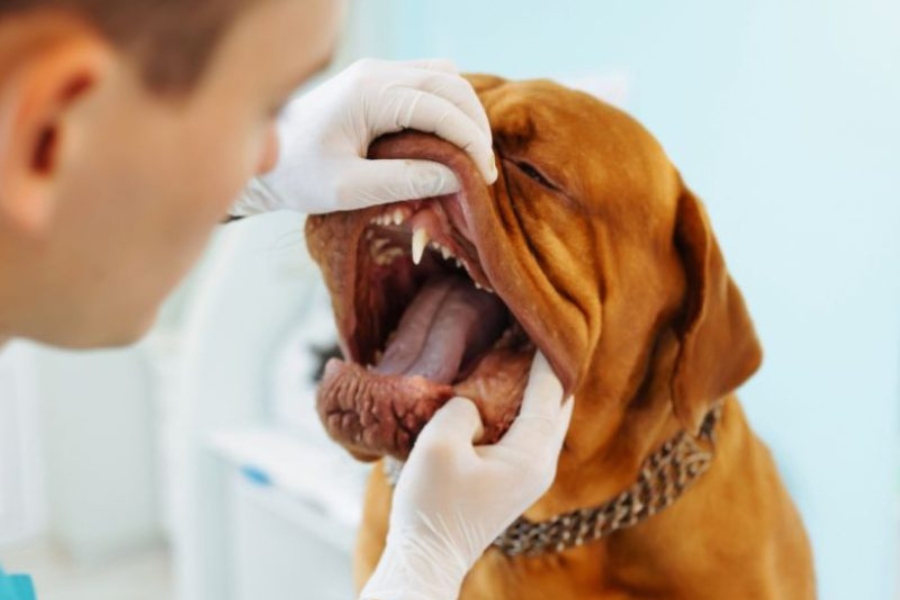
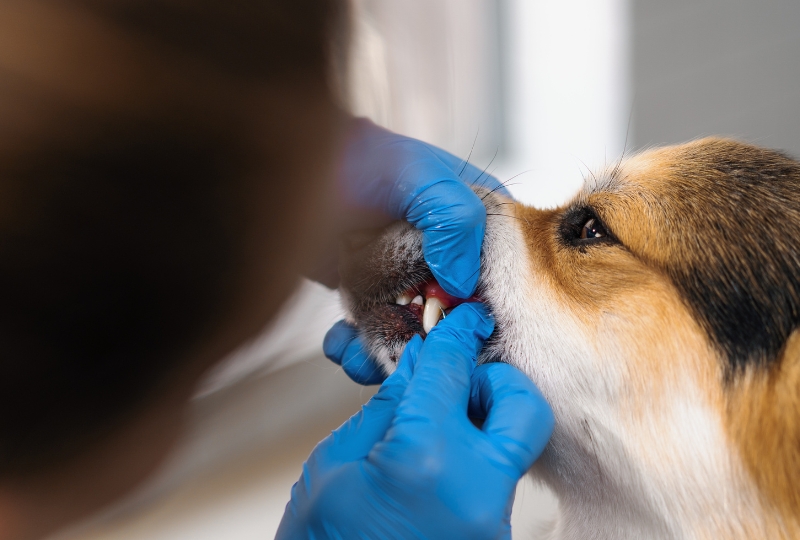
Regular veterinary dental evaluations allow early detection of problems beneath the gumline that cannot be seen at home. Professional cleanings remove hardened tartar and bacteria from areas brushing cannot reach.
Examinations may include:
- Oral health assessment
- Dental X-rays
- Scaling and polishing
- Treatment of infected teeth
Preventive visits are an important part of ongoing pet dental care and help avoid painful complications.
Home Care Habits That Make a Difference
Daily habits at home significantly influence oral health. Simple routines can dramatically slow plaque accumulation.
1. Tooth Brushing
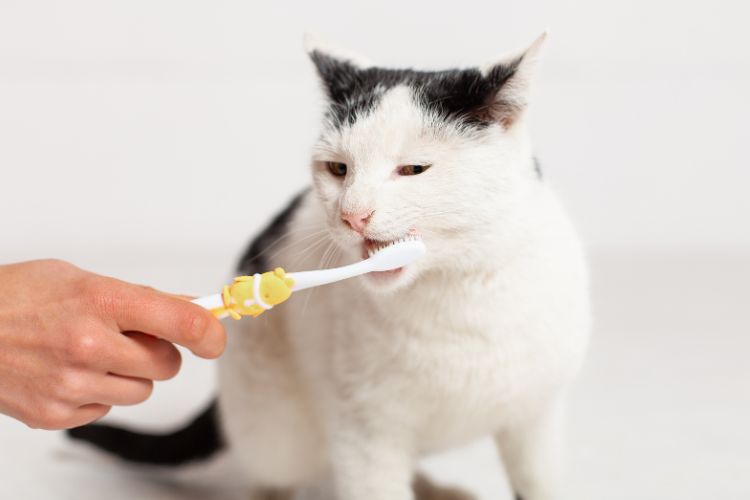
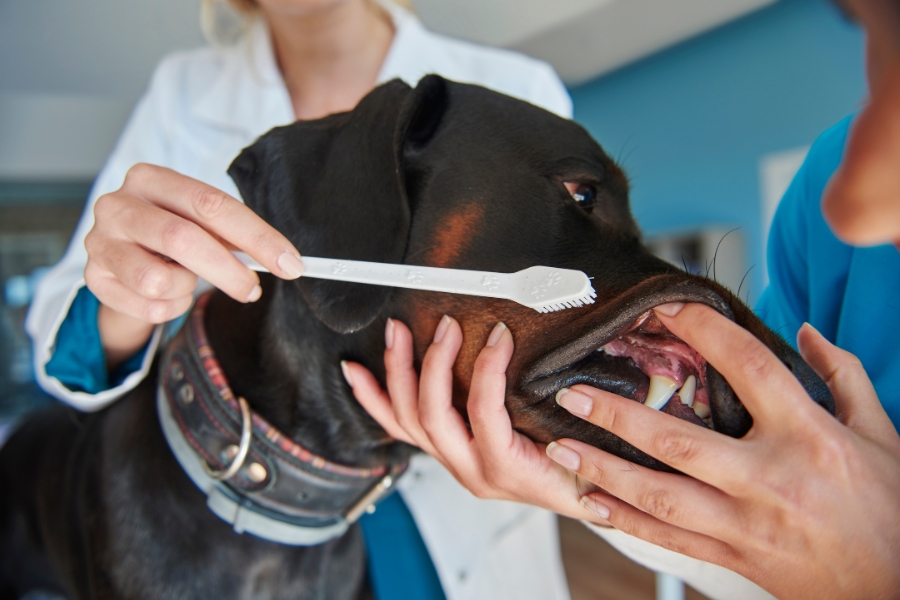
Brushing your pet’s teeth several times per week is the most effective preventive measure. Use a pet-safe toothpaste and soft brush.
2. Dental Diets and Treats
Specially formulated dental diets and approved chew treats help reduce plaque buildup through mechanical cleaning.
3. Water Additives
Veterinary-approved oral rinses or water additives can reduce bacteria and improve breath.
4. Routine Monitoring
Check your pet’s mouth monthly for redness, swelling, or odor.
Consistency matters more than perfection—small, repeated efforts provide long-term benefits.
When Dental Care Becomes Urgent
Contact a veterinarian promptly if your pet shows:
- Facial swelling
- Refusal to eat
- Excessive drooling
- Bleeding from the mouth
- Sudden behavior changes
These symptoms may indicate infection, abscess, or severe tooth damage requiring immediate treatment.
Long-Term Benefits of Healthy Teeth
Maintaining oral health improves more than just breath. Pets with healthy mouths often experience:
- Better appetite
- Increased activity levels
- Improved mood
- Reduced chronic inflammation
- Longer quality of life
Because oral infections affect the whole body, prevention is one of the simplest ways to support overall wellness.
Caring for your pet’s dental health is an important process that requires attention, consistency, and awareness. By recognizing early warning signs and maintaining preventive habits, you can help your pet stay comfortable and avoid serious complications. Dental disease is common, but it is also highly manageable when addressed early and monitored regularly.
If you ever have concerns about your pet’s oral health, professional guidance can provide reassurance and appropriate treatment. If you live in Harbor, IL and want to better support your pet’s long-term wellness, timely evaluation and preventive care can make a meaningful difference in comfort and quality of life.
Frequently Asked Questions:
Q1. How often should pets get dental cleanings?
Ans. Most pets benefit from professional dental cleanings once a year, though some may require more frequent care depending on risk factors.
Q2. Is bad breath normal in pets?
Ans. No. Persistent bad breath is often one of the earliest signs of dental disease.
Q3. Are certain breeds more prone to dental issues?
Ans. Yes. Small breeds and flat-faced dogs tend to develop tartar and periodontal disease more quickly.
Q4. Can dental disease cause other illnesses?
Ans. Yes. Bacteria from oral infections can affect the heart, kidneys, and liver.
Q5. At what age should dental care start?
Ans. Dental care should begin early, ideally during puppyhood or kittenhood, to establish healthy habits.
Q6. Are dental chews enough on their own?
Ans. They help, but they cannot replace brushing and professional dental exams.