


Harbor Animal Hospital is now permanently closed. For continued care, we recommend Gray Animal Hospital.

Understanding Diagnostic Tests for Pets: What Every Owner Should Know
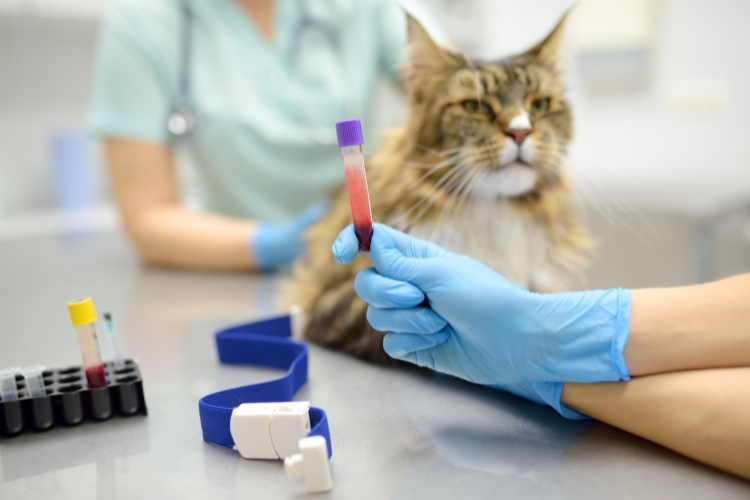
Caring for a pet goes far beyond food, exercise, and affection. Health concerns can develop quietly, often without clear signs at first. Diagnostic testing plays a key role in uncovering hidden issues and guiding the right care at the right time. Clear knowledge of these tests helps pet owners make confident decisions when their pets need medical attention.
Pet owners often feel confused when a veterinarian recommends testing, especially if their pet seems fine at home. This guide is especially for pet owners of Winthrop Harbor, IL, who want to understand how diagnostic testing works and why it matters. A better understanding of pet diagnostic tests can reduce stress and help you feel more prepared during visits.
Why Testing Matters More Than You Think
Health issues in pets do not always show visible symptoms early on. Internal problems like infections, organ concerns, or nutrient imbalances can develop slowly over time. Diagnostic tools allow early detection, which often leads to easier treatment and better outcomes.
A vet uses testing to confirm or rule out possible conditions. Guesswork becomes less likely when clear results guide the next steps. Reliable information leads to accurate treatment plans, helping pets recover faster and maintain long-term health.
Breaking Down Common Types of Tests
Many pet owners hear about tests but may not know what each one does. Understanding the basics can make the process feel less overwhelming.
Blood Testing and What It Reveals
Blood work is one of the most common forms of veterinary diagnostic tests. It provides valuable insights into how the body is functioning internally.
- Organ function check: Blood tests help assess liver, kidney, and other organ function. Abnormal values can signal early concerns before symptoms appear.
- Infection detection: Changes in white blood cell counts can indicate infections or inflammation.
- Nutritional balance: Blood analysis can reveal deficiencies or imbalances that affect overall health.
Urine Testing for Hidden Clues
Urinalysis provides another layer of information that supports a complete picture of health. It often works alongside blood tests for a clearer diagnosis.
- Kidney performance: Urine concentration helps assess how well the kidneys are working.
- Infection signs: Bacteria or abnormal cells in urine can point to urinary tract issues.
- Hydration levels: Results can show whether a pet is properly hydrated or at risk of dehydration.
Imaging Tests for Internal Views
Some conditions require a closer look inside the body. Imaging tools help identify structural or physical changes.
X-rays and Their Role
X-rays provide quick images of bones, joints, and certain organs. They are often used to check for fractures, blockages, or abnormal growths.
Ultrasound for Soft Tissue Insight
Ultrasound uses sound waves to create real-time images of internal organs. It helps detect issues in the heart, abdomen, and other soft tissues.
Animal diagnostic testing often combines imaging with lab work to form a complete picture of a pet’s health.
When are Diagnostic Tests Recommended?
Testing is not only for sick pets. Regular evaluations can also be part of routine care.
Situations That May Require Testing
- Unusual behavior changes: Sudden shifts in energy, appetite, or mood may signal underlying issues that need attention.
- Ongoing symptoms: Vomiting, diarrhea, or coughing that lasts longer than expected should be investigated further.
- Routine health checks: Annual visits often include basic screenings to monitor overall health.
A veterinarian will decide which tests are needed based on symptoms, age, and medical history. Testing becomes more targeted when there is a clear concern to investigate.
What Happens During the Testing Process
Knowing what to expect can make visits less stressful for both pets and owners. Most tests are quick and handled with care.
Step-by-Step Overview
- Initial examination: A vet begins with a physical check to assess visible signs and gather information.
- Sample collection: Blood, urine, or other samples are collected safely and under controlled conditions.
- Laboratory analysis: Samples are sent to a veterinary lab for testing or analyzed on-site for faster results.
- Result discussion: Findings are explained clearly, along with recommended next steps.
Most pets handle these procedures well, especially with gentle handling and reassurance during the visit.
How Test Results Guide Treatment Plans
Results from testing provide direction rather than guesswork. A clear diagnosis allows targeted care instead of trial-and-error treatments.
Turning Results Into Action
- Medication decisions: Specific conditions require specific treatments, which depend on accurate results.
- Diet changes: Nutritional adjustments may be recommended based on test findings.
- Monitoring plans: Some conditions require follow-up testing to track progress over time.
Pet health tests help ensure that treatment is both effective and appropriate for the condition being addressed.
Routine Testing for Long-Term Health
Preventive care often includes regular screenings, even when pets appear healthy. Early detection can prevent serious problems later.
Benefits of Regular Testing
- Early disease detection: Many conditions are easier to treat when caught early.
- Baseline health records: Past results provide a comparison point for future tests.
- Improved quality of life: Timely care helps pets stay active and comfortable.
Veterinary guidance ensures that testing schedules align with each pet’s age and lifestyle needs.
Reducing Stress Around Diagnostic Visits
Testing can feel overwhelming, especially if a pet becomes anxious during visits. Small steps can make the process smoother.
Tips for a Calm Experience
- Familiar items: Bringing a favorite toy or blanket can help pets feel more secure.
- Positive reinforcement: Treats and praise can create a more relaxed environment.
- Consistent routines: Regular visits help pets become more comfortable over time.
A veterinary team works to create a calm setting, helping both pets and owners feel at ease during appointments.
Common Misunderstandings About Testing
Many pet owners hesitate when testing is suggested, often due to misconceptions. Clearing up these ideas can lead to better decisions.
Myths and Reality
- Tests are only for sick pets: Routine screenings play an important role in prevention and early detection.
- Testing always takes a long time: Many results are available quickly, especially with in-house tools.
- All tests are invasive: Most procedures are simple and cause minimal discomfort.
Veterinary care focuses on safety and accuracy, ensuring that each test serves a clear purpose.
Choosing the Right Care Approach
Each pet has unique needs, so testing plans should reflect individual health conditions and risks. Age, breed, and lifestyle all play a role in determining what tests are most appropriate.
Building a Smart Testing Plan
- Regular consultations: Ongoing communication with a vet helps adjust care as needed.
- Tracking health changes: Keeping notes about behavior and symptoms helps guide testing decisions.
- Following recommendations: Timely testing ensures that potential issues are addressed early.
Animal diagnostic testing is more effective when combined with attentive at-home care.
Take Charge of Your Pet’s Health Today
Understanding diagnostic testing helps pet owners make informed decisions and feel more confident during care visits. Harbor Animal Hospital offers a wide range of diagnostic services designed to detect and manage health concerns at every stage of life. Reliable testing plays a key role in keeping pets healthy and improving their quality of life.
FAQs
1. Are diagnostic tests safe for pets?
Most tests are safe and commonly used in routine care. Procedures are designed to minimize discomfort while providing accurate results.
2. How long does it take to get results?
Some results are available within the same visit, while others may take a few days depending on the type of test.
3. Do all pets need regular testing?
Regular testing is recommended for most pets, especially as they age or if they have ongoing health concerns.
4. Can testing prevent serious illnesses?
Testing helps detect issues early, which can prevent conditions from becoming more severe over time.
5. What should I do if my pet needs multiple tests?
Following the veterinarian’s recommended plan ensures an accurate diagnosis and effective treatment.