

Harbor Animal Hospital is now permanently closed. For continued care, we recommend Gray Animal Hospital.

How to Improve Your Dog’s Bad Breath With Dental Care?
Bad breath in dogs is often brushed off as normal. However, persistent foul odor from your dog’s mouth is usually a sign that something isn’t right. In many cases, it points directly to underlying dental problems that can affect not only your dog’s oral health but also their overall well-being. Fortunately, with the right approach, you can significantly improve your dog’s breath and prevent serious complications.
Dental health plays a crucial role in your dog’s comfort, appetite, and long-term health. When plaque and bacteria build up, they don’t just cause odor—they can also lead to infections that spread to vital organs. By understanding the causes of bad breath and taking proactive steps, you can help your dog enjoy a healthier mouth and a happier life.
This guide explains why bad breath happens, how proper dental routines help, and what steps you can take at home and with professional support. This blog is especially helpful for pet owners in Winthrop Harbor, IL, where maintaining consistent veterinary care can make all the difference.
Understanding the Importance of Dental Health in Dogs
Your dog’s mouth is home to millions of bacteria. While some bacteria are normal, problems begin when plaque forms and hardens into tartar. Over time, this buildup irritates the gums and creates pockets where bacteria thrive. As a result, bad breath develops and worsens if left untreated.
Consistent dog dental care helps prevent these issues before they progress. Without proper attention, dental disease can cause pain, tooth loss, and infections that travel through the bloodstream. Therefore, maintaining oral hygiene is not just about fresh breath—it’s about protecting your dog’s overall health.
Common Causes of Bad Breath in Dogs
Understanding the root cause of your dog’s bad breath helps you address the issue effectively. While dental problems are the most common reason, there are several contributing factors to consider.
Periodontal Disease
Periodontal disease is the leading cause of bad breath in dogs. It develops when plaque and tartar accumulate along the gum line, causing inflammation and infection. As the disease progresses, bacteria release strong odors and may even destroy the structures that support the teeth.
Gingivitis
Gingivitis occurs when gums become red, swollen, and tender due to plaque buildup. At this stage, bad breath is often noticeable, but the damage is still reversible with timely care. However, if ignored, gingivitis can lead to advanced periodontal disease.
Tooth Decay and Infection
Although cavities are less common in dogs than in humans, cracked or decayed teeth can harbor bacteria. These infections produce foul smells and often cause pain, making it uncomfortable for your dog to eat or chew.
Foreign Objects Lodged in the Mouth
Dogs love to chew, but small pieces of sticks, toys, or food can become trapped between teeth. When this happens, bacteria accumulate quickly, leading to inflammation and unpleasant odors.
Systemic Health Issues
In some cases, bad breath is not purely dental. Kidney disease, diabetes, and liver problems can all cause distinctive mouth odors. For example, kidney-related breath often smells metallic or ammonia-like and requires immediate veterinary attention.
How Proper Dental Care Improves Bad Breath
The good news is that bad breath is often preventable. With a consistent routine and professional support, you can dramatically improve your dog’s oral hygiene and comfort.
Regular Tooth Brushing
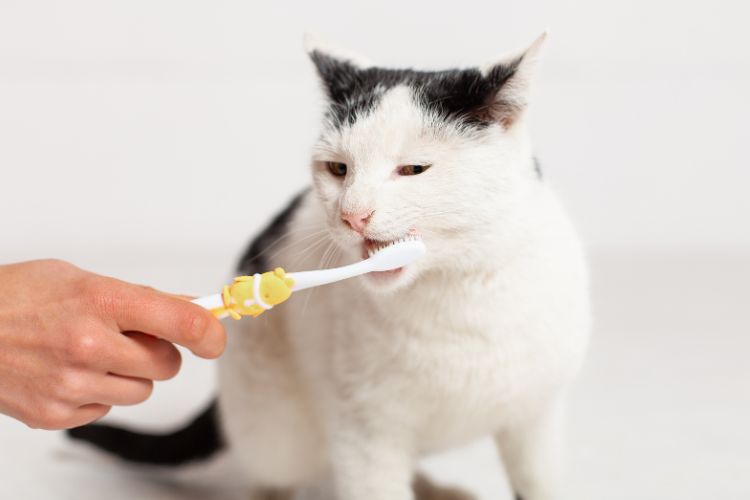
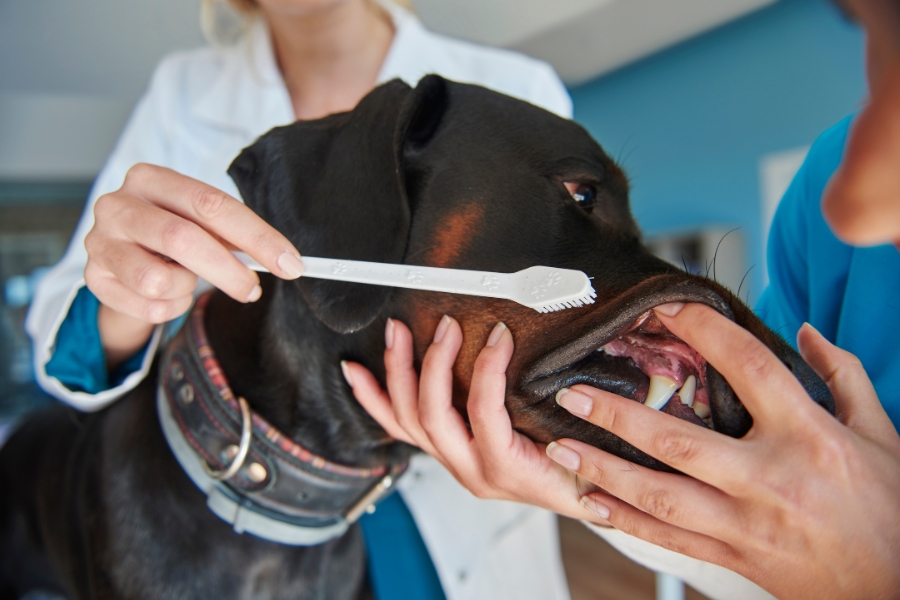
Brushing your dog’s teeth is the most effective way to reduce plaque and bacteria. Use a soft-bristled brush and toothpaste designed specifically for dogs. Human toothpaste contains ingredients that can be harmful if swallowed.
Ideally, brushing should be done several times a week. Even short sessions make a difference, especially when started early and performed gently.
Dental Chews and Oral Toys
Dental chews and toys help reduce plaque through mechanical action while your dog chews. Additionally, they stimulate saliva production, which naturally cleans the mouth. Always choose veterinarian-approved products designed to support dog dental care without damaging teeth.
Diet and Nutrition
What your dog eats has a direct impact on oral health. High-quality diets formulated for dental support help reduce plaque accumulation. On the other hand, sugary treats and table scraps increase bacterial growth and should be avoided.
Professional Dental Cleanings
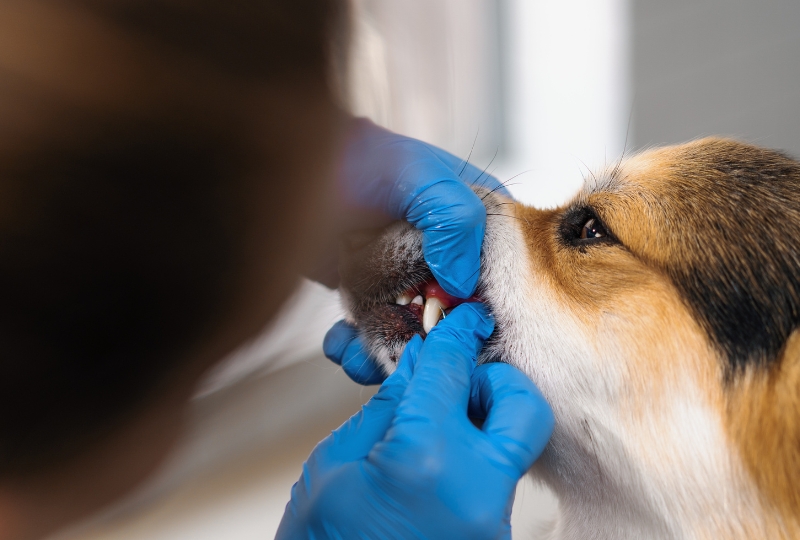
Even with excellent home care, plaque can still accumulate below the gum line. Professional cleanings allow veterinarians to remove hardened tartar and assess the health of teeth and gums thoroughly. These cleanings are essential for preventing advanced dental disease.
Signs Your Dog Needs Dental Attention
While mild bad breath may improve with routine care, certain symptoms indicate the need for professional evaluation. Contact your veterinarian if you notice:
- Persistent foul odor
- Swollen or bleeding gums
- Excessive drooling
- Difficulty chewing or dropping food
- Pawing at the mouth
- Weight loss or appetite changes
- Behavioral shifts such as irritability or lethargy
Early intervention helps prevent pain and costly treatments later.
Creating a Dental Care Routine at Home
Consistency is key when it comes to oral health. Start slowly if your dog is not used to mouth handling. First, let them get comfortable with you touching their muzzle. Then, gradually introduce brushing as a positive experience using praise and rewards.
Additionally, combine brushing with dental chews, appropriate toys, and regular checkups. Over time, these habits become part of your dog’s normal routine, making dental care easier and more effective.
Why Veterinary Support Matters
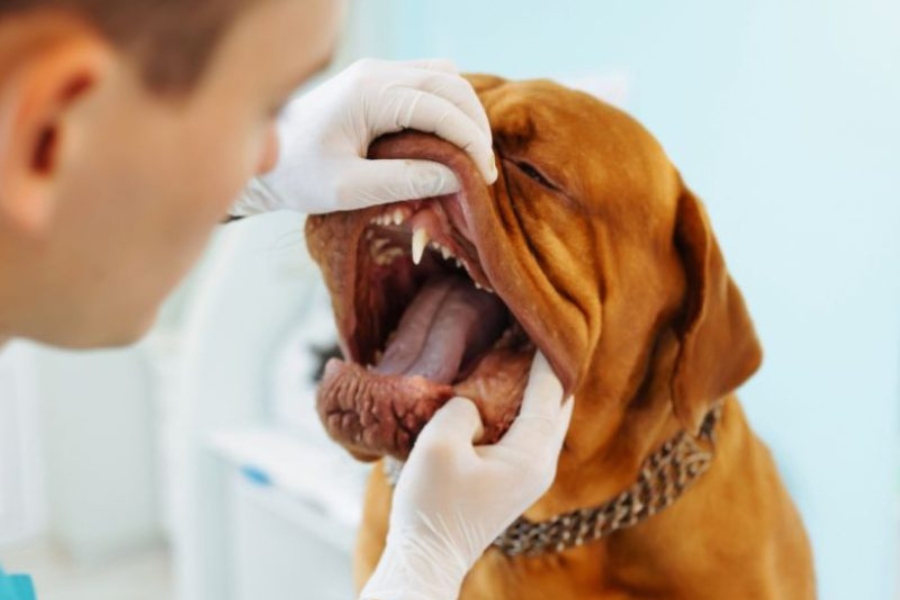
Veterinary professionals play a critical role in maintaining your dog’s oral health. During routine exams, they can identify early signs of dental disease, recommend suitable products, and perform professional cleanings when necessary.
More importantly, veterinarians can rule out systemic conditions that may contribute to bad breath. This comprehensive approach ensures your dog receives the care they need beyond surface-level symptoms.
Bad breath in dogs is more than just an unpleasant smell—it’s often a warning sign of dental or health issues that deserve attention. By establishing consistent oral hygiene habits, choosing supportive diets, and scheduling professional cleanings, you can protect your dog’s teeth, gums, and overall health.
FAQs
Q1. Is bad breath in dogs always caused by dental problems?
Not always. While dental disease is the most common cause, bad breath can also be linked to kidney disease, diabetes, or digestive issues.
Q2. How often should my dog have a professional dental cleaning?
Most dogs benefit from annual cleanings, although some may need them more frequently depending on breed, age, and oral health.
Q3. Can dental chews replace brushing?
Dental chews help reduce plaque but do not fully replace brushing. Using both together provides the best results.
Q4. What type of toothpaste should I use for my dog?
Always use toothpaste formulated specifically for dogs. Human toothpaste contains ingredients that can be toxic if swallowed.
Q5. Are certain dog breeds more prone to dental issues?
Yes. Small breeds and dogs with crowded teeth are often more susceptible to plaque buildup and gum disease.
Q6. When should I see a veterinarian about my dog’s bad breath?
If bad breath persists despite home care or is accompanied by other symptoms like bleeding gums or appetite loss, a veterinary visit is recommended.