

Harbor Animal Hospital is now permanently closed. For continued care, we recommend Gray Animal Hospital.

Veterinarian-Recommended Tips for Keeping Your Dog’s Teeth Clean
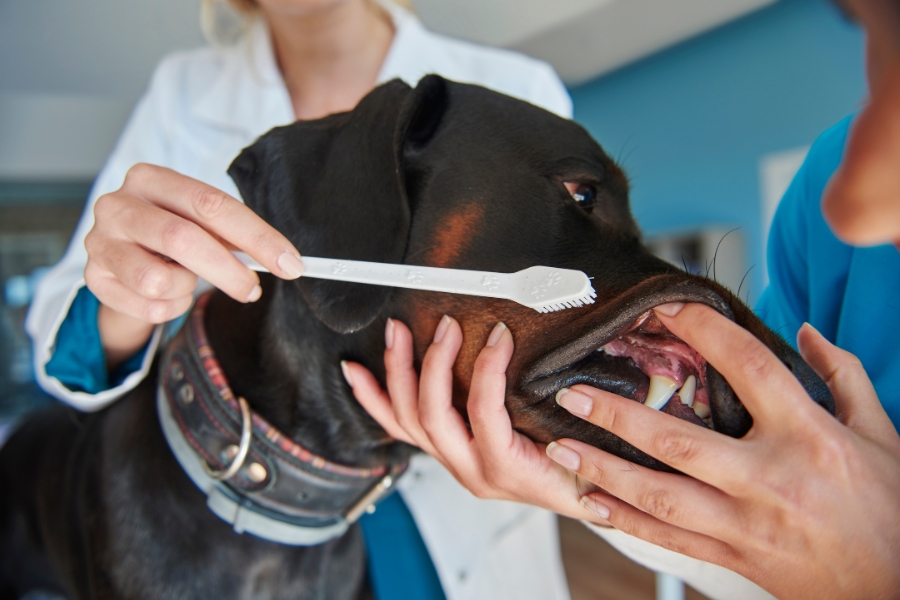
Many dog owners focus on providing nutritious food, regular exercise, and plenty of affection for their pets. However, dental health is another essential part of maintaining a dog’s overall well-being. Unfortunately, oral hygiene is often overlooked until noticeable problems appear, such as bad breath or difficulty chewing.
Just like humans, dogs can develop plaque, tartar, and gum disease if their teeth are not cared for properly. Over time, untreated dental problems may lead to pain, infection, or even serious health complications affecting major organs.
Fortunately, there are several simple ways to maintain healthy teeth and gums in dogs. By establishing consistent habits and following veterinary advice, pet owners can prevent many common dental problems.
This guide explains veterinarian-recommended strategies to keep your dog’s teeth clean and healthy. From brushing techniques to diet choices and professional cleanings, these tips will help you protect your pet’s oral health. This information is especially helpful for dog owners living in Winthrop Harbor, IL.
Why Dental Health Matters for Dogs
Dental health is closely connected to a dog’s overall physical condition. When plaque builds up on teeth, bacteria begin to multiply in the mouth. Eventually, this buildup hardens into tartar, which irritates the gums and can lead to periodontal disease.
If left untreated, bacteria may enter the bloodstream and affect vital organs such as the heart, liver, and kidneys. Therefore, preventive oral hygiene is extremely important for long-term health.
Routine dental maintenance and proper dog dental care can help prevent these issues while ensuring your dog remains comfortable and active.
Brush Your Dog’s Teeth Regularly
Brushing your dog’s teeth is one of the most effective ways to prevent plaque buildup. While it may seem challenging initially, most dogs adapt quickly when the process is introduced gradually.
Steps for Brushing Your Dog’s Teeth
Follow these simple steps to make brushing easier:
- Choose a toothbrush designed specifically for dogs.
- Use pet-safe toothpaste with flavors dogs enjoy.
- Allow your dog to taste the toothpaste before brushing.
- Gently lift your dog’s lips and brush in circular motions.
- Focus on the outer surfaces of the teeth.
Ideally, you should brush your dog’s teeth daily. However, brushing a few times per week still provides significant benefits.
Consistency and patience are key. Offering praise or small rewards after brushing helps create positive associations with the routine.
Provide Dental Chews and Safe Toys
Chewing naturally helps clean a dog’s teeth. Therefore, dental chews and specially designed chew toys can play a supportive role in maintaining oral hygiene.
Many dental treats are designed with textures that help scrape plaque from the teeth during chewing. Additionally, chew toys encourage healthy chewing habits and stimulate the gums.
However, it is important to choose safe options. Avoid extremely hard items such as bones or antlers that could crack teeth.
Instead, look for veterinarian-approved dental chews or rubber toys designed to promote oral health.
Feed a Balanced Diet That Supports Dental Health
Diet also plays a significant role in maintaining healthy teeth. Some dog foods are formulated specifically to help reduce plaque and tartar buildup.
Dry kibble can help remove some plaque through chewing action. Additionally, specialized dental diets contain ingredients that slow tartar formation.
Avoid feeding excessive table scraps or sugary treats, as these can contribute to plaque buildup.
Providing fresh water at all times also helps rinse food particles from your dog’s mouth and supports overall hydration.
Watch for Signs of Dental Problems
Recognizing the early signs of dental disease allows pet owners to seek veterinary care before problems become severe.
Common warning signs include:
- Persistent bad breath
- Red or swollen gums
- Yellow or brown tartar buildup
- Difficulty chewing food
- Excessive drooling
- Pawing at the mouth
If you notice any of these symptoms, it is important to schedule a veterinary visit promptly.
Early detection allows veterinarians to treat dental issues before they cause serious discomfort or health complications.
Schedule Professional Dental Cleanings
Even with regular brushing at home, professional dental cleanings may still be necessary. Veterinary cleanings remove plaque and tartar that cannot be eliminated with brushing alone.
During a professional cleaning, the veterinary team performs several procedures, including:
- A thorough oral examination
- Removal of plaque and tartar
- Polishing of teeth
- Evaluation for gum disease
These cleanings help maintain oral health and prevent infections.
Routine veterinary visits also ensure that dental problems are detected early and treated effectively.
Start Dental Care Early in Your Dog’s Life
Introducing dental care when dogs are young helps them become comfortable with the routine. Puppies are generally more adaptable and can learn quickly through positive reinforcement.
Begin by gently touching your puppy’s mouth and gradually introducing a toothbrush. Reward calm behavior with praise or treats.
Even if your dog is older, it is still possible to establish a dental care routine. With patience and consistency, most dogs learn to tolerate brushing.
Maintaining regular dog dental care throughout your pet’s life helps reduce the risk of serious oral diseases.
Maintain Regular Veterinary Checkups
Routine veterinary visits are an essential part of maintaining your dog’s oral health. During wellness exams, veterinarians examine the teeth and gums to check for signs of dental disease.
They may also recommend professional cleanings or preventive treatments depending on your dog’s dental condition.
Veterinary guidance ensures that oral hygiene practices at home are effective and that potential issues are addressed early.
Working with your veterinarian helps protect your dog’s teeth and overall health.
Establish a Consistent Dental Care Routine
Consistency is the most important factor in maintaining healthy teeth. A simple daily routine can significantly reduce plaque buildup and prevent dental disease.
A good dental care routine may include:
- Brushing your dog’s teeth regularly
- Providing dental chews or toys
- Feeding a balanced diet
- Monitoring your dog’s oral health
- Scheduling routine veterinary visits
By maintaining these habits, pet owners can protect their dogs from painful dental conditions and ensure long-term health.
Maintaining healthy teeth is an essential part of caring for your dog. Proper oral hygiene helps prevent plaque buildup, gum disease, and infections that could affect your pet’s overall health.
Regular brushing, appropriate chew toys, balanced nutrition, and professional veterinary cleanings all contribute to strong teeth and healthy gums.
By following veterinarian-recommended dental care practices, pet owners can help their dogs live happier and more comfortable lives.
FAQs
1. How often should I brush my dog’s teeth?
Ideally, you should brush your dog’s teeth daily. However, brushing at least three to four times a week can still help reduce plaque buildup and maintain better oral hygiene.
2. What are the signs of dental problems in dogs?
Common signs include bad breath, swollen or bleeding gums, yellow or brown tartar buildup, difficulty chewing, and excessive drooling. If you notice any of these symptoms, consult a veterinarian promptly.
3. Are dental chews effective for dogs?
Yes, dental chews can help reduce plaque and tartar buildup. However, they should not replace regular brushing. Instead, use them as a supplement to your dog’s overall oral hygiene routine.
4. Can I use human toothpaste to brush my dog’s teeth?
No, human toothpaste is not safe for dogs because it may contain ingredients like xylitol that are toxic to pets. Always use toothpaste specifically designed for dogs.
5. How often should my dog have a professional dental cleaning?
Most veterinarians recommend professional dental cleanings once a year. However, some dogs may need more frequent cleanings depending on their breed, age, and oral health.
6. Why is dental care important for my dog’s overall health?
Good oral hygiene prevents plaque buildup, gum disease, and tooth loss. Additionally, untreated dental issues can lead to infections that may affect your dog’s heart, liver, and kidneys.