

Harbor Animal Hospital is now permanently closed. For continued care, we recommend Gray Animal Hospital.

The Role of Diet in Pet Dental Health: A Vet’s Guide
As a pet owner, you probably know how important it is to keep your pet healthy and happy. While we often focus on the obvious aspects of health, such as exercise and grooming, one critical area that can be easily overlooked is your pet’s dental health. Poor dental care can lead to serious health problems, affecting everything from their teeth to their heart and kidneys. But did you know that diet plays a significant role in maintaining your pet’s dental health?
This blog is especially for pet owners in Winthrop Harbor, IL, who want to understand how nutrition impacts their pet’s teeth and gums. Many pet owners are unaware of the connection between food and dental health, but the right diet can help prevent plaque buildup, gum disease, and bad breath. In this guide, we will explore the importance of a balanced diet for your pet’s dental health and share tips on how you can use food to keep your pet’s teeth in top shape.
By the end of this blog, you will have a better understanding of how to support your pet’s dental health with the right diet, preventing costly dental treatments, and ensuring your pet remains healthy and happy.
Reasons Why Diet Matters in Pet Dental Health
Diet helps keep their teeth and gums healthy and plays a key role in pet dental care. A poor diet can contribute to dental problems, such as plaque buildup, gingivitis, and periodontal disease. By feeding your pet the right food, you can help reduce these risks and promote good oral hygiene.
In addition to causing plaque buildup, some foods can also contribute to bad breath or cause tooth decay, which is why it’s important to understand which types of food benefit your pet’s dental health and which ones might harm it. A nutritious diet that includes ingredients designed to promote oral health can significantly reduce your pet’s risk of dental disease.
As part of their overall healthcare plan, veterinary clinics recommend regular dental checkups and the right diet to maintain your pet’s dental hygiene. By combining proper nutrition with regular vet visits, you can keep your pet’s teeth and gums in excellent condition for years to come.
Exploring the Connection Between Diet and Pet Dental Health
Proper nutrition is key to maintaining good dental hygiene. Here’s how the food you feed your pet can impact teeth and gums:
1. The Role of Plaque and Tartar Formation
Just like humans, pets are prone to plaque buildup on their teeth, which can eventually turn into tartar if not removed. When your pet eats, food particles can get stuck in their teeth and gums, contributing to plaque formation. Over time, plaque hardens into tartar, which can lead to gum disease, cavities, and even tooth loss.
The right diet can help reduce plaque formation by providing ingredients that clean your pet’s teeth as they chew. Some specially formulated pet foods contain abrasive textures or ingredients that help scrape off plaque as your pet eats, helping keep their teeth cleaner for longer.
2. Promoting Healthy Gums
Gum disease is one of the most common dental problems in pets. If left untreated, gum disease can lead to more serious health issues, such as tooth loss and infections that spread to other parts of the body. A healthy diet can play a critical role in preventing gum disease.
Foods high in essential nutrients, like vitamin C and omega-3 fatty acids, support healthy gum tissue and reduce inflammation. These nutrients help fight bacteria in the mouth and improve overall gum health, making it easier for your pet to fight off infections and maintain strong gums.
3. Managing Bad Breath
Bad breath, or halitosis, is another common problem pet owners encounter. It’s often a sign of poor oral hygiene or an underlying dental issue. Certain foods are designed to help freshen your pet’s breath by controlling the bacteria in their mouth that contribute to foul odors.
Look for pet food and treats that are specifically formulated to combat bad breath. Some foods contain ingredients like parsley, peppermint, and other natural breath-freshening agents that can help your pet maintain fresh breath between cleanings.
Looking Carefully at Your Pet’s Pet Dental Diet
Now that we’ve established the importance of diet in dental health, here are a few things to consider when selecting food for your pet:
1. Dental-Specific Formulas
Some pet foods are specifically designed to help maintain dental health. These formulas typically have larger kibble pieces or crunchy textures that help clean your pet’s teeth as they chew. Some foods may also contain added nutrients, such as antioxidants or enzymes, that support healthy gums and teeth.
2. High-Quality Protein and Fat
A diet rich in high-quality protein is essential for your pet’s overall health, including their dental health. Protein helps support muscle and tissue repair, including in the gums. Healthy fats, such as omega-3 fatty acids, also play a crucial role in reducing inflammation and promoting healthy gums.
3. Low in Sugars and Fillers
Sugary foods and unnecessary fillers can contribute to plaque and tartar buildup in your pet’s mouth. Avoid foods that contain artificial sweeteners, sugars, or fillers like corn and soy, as these can exacerbate dental problems and lead to weight gain, which can further impact your pet’s overall health.
4. Water Content
Hydration helps maintain your pet’s dental health by washing away food particles and bacteria in the mouth. Wet food or adding water to dry food can promote hydration and help keep your pet’s mouth cleaner, especially for pets who don’t drink enough water on their own.
5. Treats for Dental Health
In addition to a balanced diet, you can help support your pet’s dental health by providing dental treats designed to clean teeth. These treats often have a crunchy texture or contain enzymes that break down plaque and tartar. Make sure the treats are safe and specifically designed for dental health.
Additional Tips for Maintaining Your Pet’s Dental Health
While diet plays a major role in your pet’s dental health, there are other practices you can incorporate into your pet’s routine to help keep their teeth and gums in tip-top shape:
1. Regular Brushing
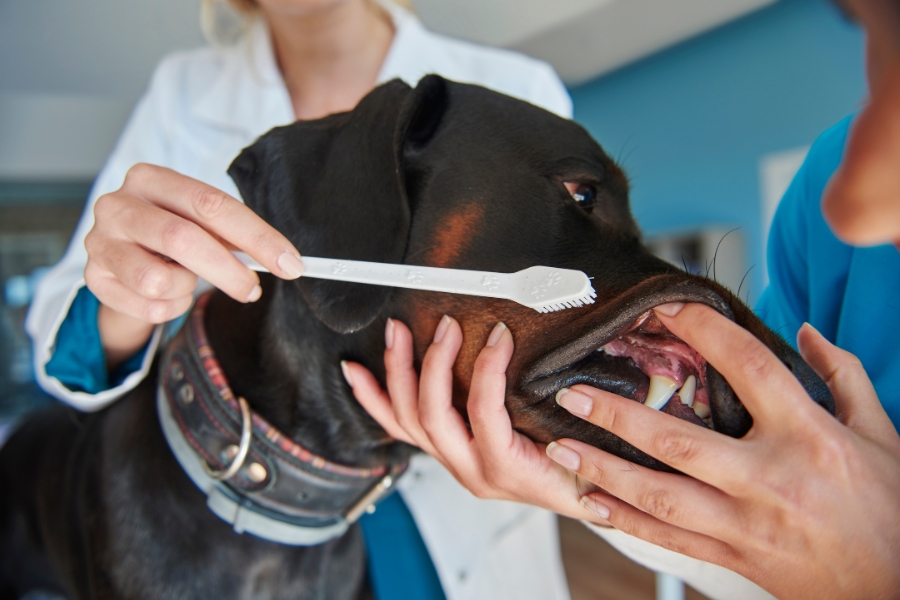
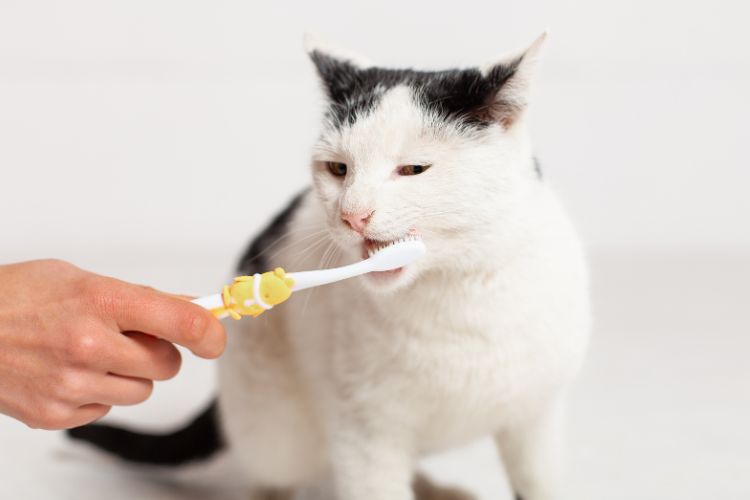
Brushing your pet’s teeth is one of the most effective ways to prevent plaque buildup. Use a pet-safe toothbrush and toothpaste to clean your dog’s or cat’s teeth at least a few times a week. Regular brushing removes food particles and plaque that can cause gum disease.
2. Routine Veterinary Checkups
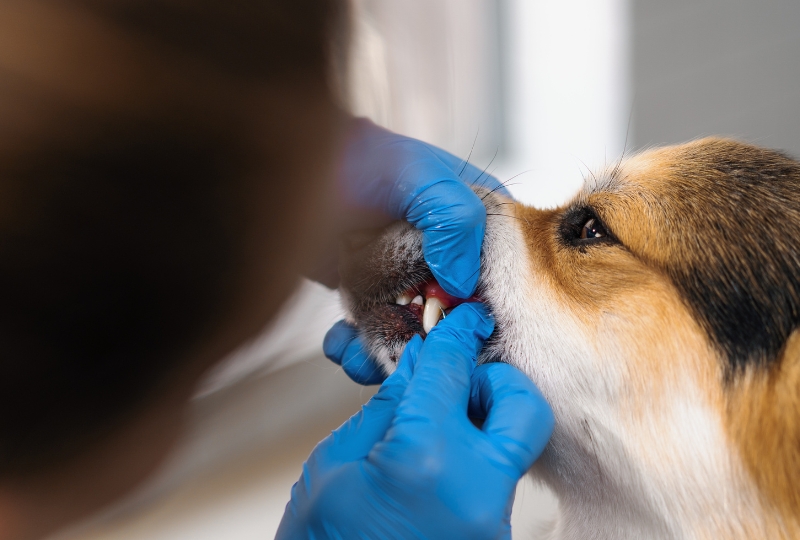
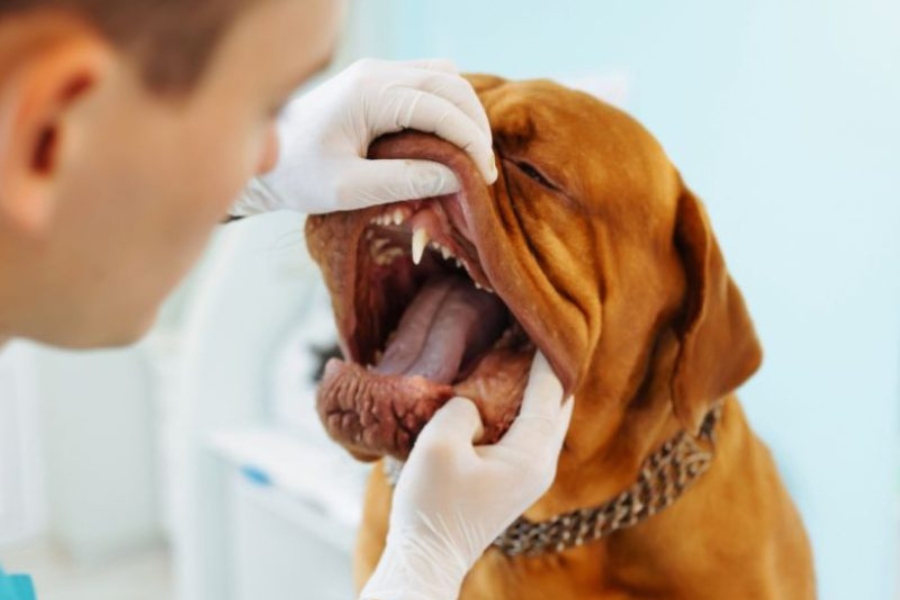
Regular vet visits are essential for maintaining your pet’s dental health. Your vet will check for signs of dental disease, clean your pet’s teeth, and offer advice on further treatment options. If your pet is prone to dental issues, your vet may recommend professional cleanings or treatments to prevent serious problems.
3. Chew Toys
Providing your pet with safe chew toys not only helps keep them entertained but also promotes dental health. Chew toys help reduce plaque and tartar buildup while strengthening jaw muscles. Make sure the toys are the right size and have the right texture for your pet to avoid injury.
Long-Term Benefits of a Healthy Diet for Your Pet’s Teeth
Investing in your pet’s dental health early on has long-term benefits. A proper diet not only helps prevent dental disease but can also improve your pet’s overall health and quality of life. Pets with healthy teeth are less likely to experience tooth pain, gum infections, or systemic health issues caused by poor dental hygiene.
The benefits of a dental-friendly diet extend beyond just fresh breath and clean teeth. By preventing dental disease, you can also reduce your pet’s risk of more serious health conditions, such as heart disease, kidney disease, and liver problems, all of which have been linked to poor dental health.
Helping Your Pet Maintain a Healthy Smile
Maintaining good dental health is a crucial part of your pet’s overall well-being. The food you feed your dog or cat plays an essential role in keeping teeth and gums healthy, and a proper diet can prevent costly dental treatments down the road. By choosing the right pet food, offering dental treats, and combining your efforts with regular brushing and vet visits, you can keep your pet’s smile bright and healthy for years to come.
FAQs
1. How often should I brush my pet’s teeth?
It’s recommended to brush your pet’s teeth at least two to three times a week, which helps prevent plaque buildup and promotes healthy gums.
2. Are dental treats enough to maintain my pet’s dental health?
Dental treats can help reduce plaque, but they should be used alongside regular brushing and a balanced diet for optimal dental care.
3. What are the signs of dental disease in pets?
Signs include bad breath, red or swollen gums, difficulty eating, excessive drooling, or loose teeth. If you notice any of these, consult your vet immediately.
4. Can diet alone prevent dental disease in pets?
Diet plays a major role in preventing dental disease, but it should be combined with regular brushing and professional checkups to maintain good dental health.
5. What type of food is best for my pet’s teeth?
Look for food specifically formulated to reduce plaque and tartar buildup. Some pet foods contain enzymes or have a crunchy texture to support dental health.
6. When should I start taking care of my pet’s teeth?
It’s best to start dental care early, even as a puppy or kitten. The sooner you introduce dental habits like brushing and feeding a dental-friendly diet, the better.