

Harbor Animal Hospital is now permanently closed. For continued care, we recommend Gray Animal Hospital.

How to Care for Your Pet After Spay/Neuter Surgery
Spaying or neutering your pet is an important decision that can have long-term health and behavioral benefits. While the procedure is common and generally safe, proper care during the recovery process is crucial to ensure your pet heals quickly and comfortably. Whether you have a dog or a cat, knowing how to care for them after spaying or neutering surgery can make a significant difference in their recovery and overall well-being.
What to Expect After Surgery
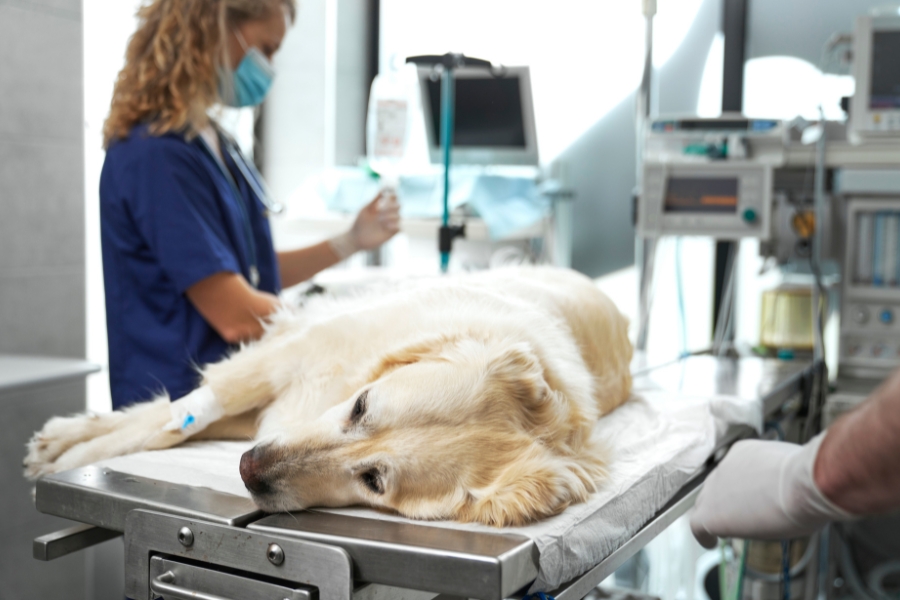
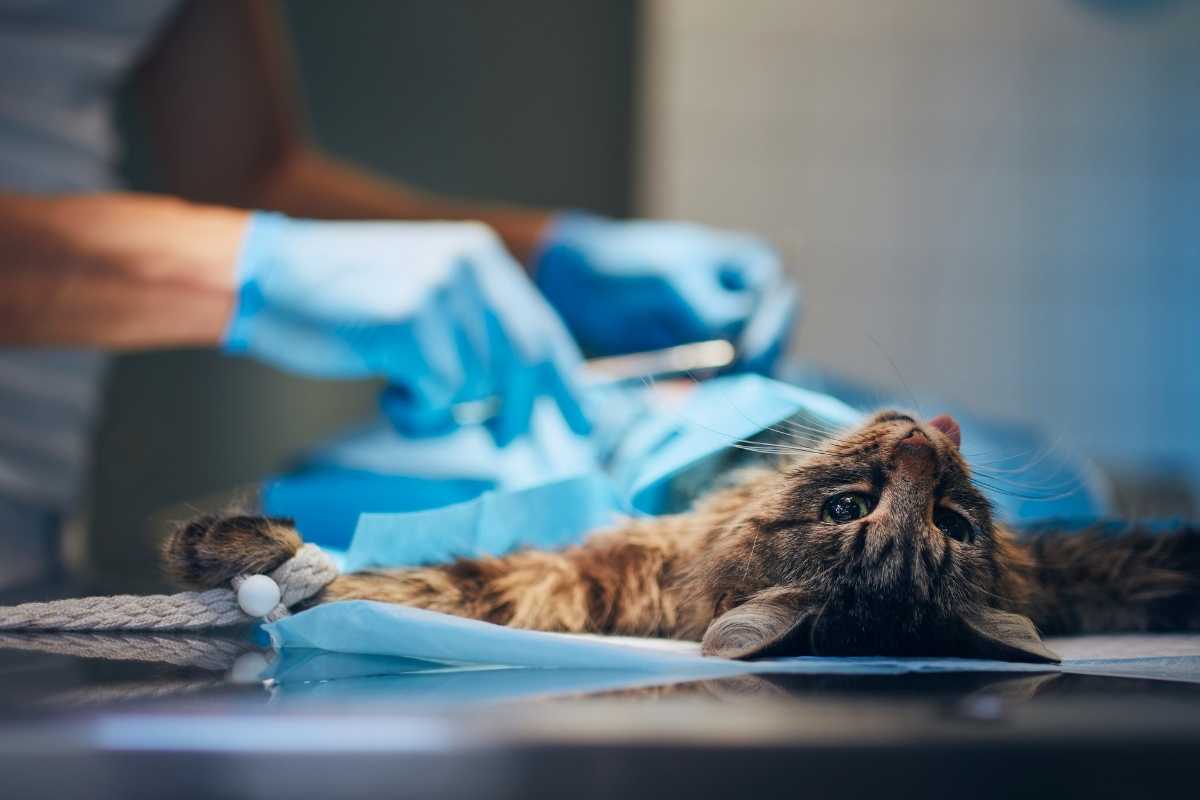
After your pet undergoes spay or neuter surgery, they will likely experience some discomfort and drowsiness as the anesthesia wears off. It’s completely normal for pets to feel groggy or slightly out of it for the first few hours after the procedure. However, as they recover from the effects of the anesthesia, most pets will start to feel better within a day or two.
Despite the quick recovery, it’s important to monitor your pet closely during the first few days after surgery. Post-surgery care involves limiting your pet’s activity, monitoring the surgical site, and ensuring they have the proper nutrition and hydration to promote healing.
1. Keep Your Pet Calm and Comfortable
One of the most important aspects of post-surgery care is limiting your pet’s physical activity. After surgery, pets are often excited to return to their normal routines, but it’s essential to keep them calm and restricted for at least a week.
- Avoid Jumping and Running: Whether you have a dog or a cat, avoid letting them jump, run, or engage in any strenuous activity during the first week of recovery. Too much movement can increase the risk of complications, such as opening the incision or causing internal injury.
- Provide a Quiet Space: Set up a quiet, comfortable area for your pet to rest. This should be away from the household’s main activity areas, so they can recover without being disturbed by noise or excitement. Provide a soft bed, plenty of water, and their food nearby.
2. Monitor the Surgical Site
The surgical site will need to be monitored for any signs of infection or complications. Keep an eye on the area and check it at least once or twice a day. The incision should look clean, and there shouldn’t be any signs of excessive swelling or discharge.
- Signs of Infection: Look for any unusual redness, swelling, or discharge from the incision site. If your pet is excessively licking or scratching at the area, it could indicate an infection. Contact your veterinarian immediately if you notice these signs.
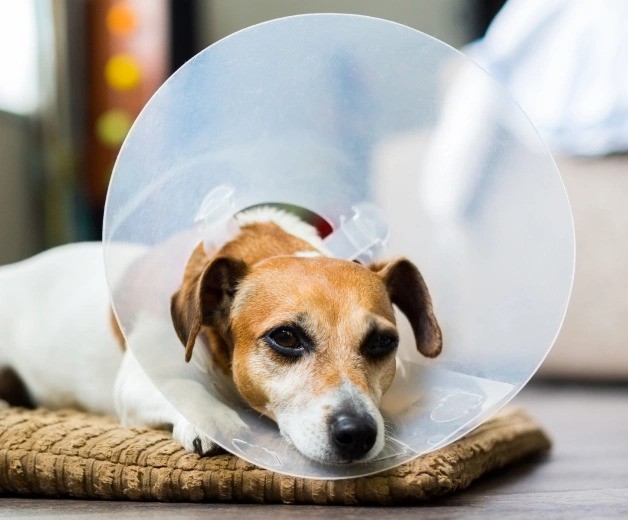
- Prevent Licking: Many pets instinctively try to lick their incisions, which can lead to infection. To prevent this, use an Elizabethan collar (commonly called a “cone”) or an alternative protective garment to keep your pet from reaching the area.
3. Follow Medication Instructions
Your veterinarian may prescribe pain medications or antibiotics after the surgery to help your pet manage any discomfort and prevent infection. It’s important to follow the medication schedule exactly as instructed by your vet.
- Pain Relief: Pain medications help ensure that your pet isn’t uncomfortable during recovery. Administer the prescribed dosage at the right times, and never give your pet human pain medications, as they can be toxic to animals.
- Antibiotics: If antibiotics are prescribed, make sure your pet finishes the entire course, even if they seem to be feeling better before the medication runs out. Stopping antibiotics early can lead to the development of antibiotic-resistant infections.
4. Hydration and Nutrition
Good nutrition and hydration are key components of a successful recovery. Make sure your pet has access to fresh water at all times, as dehydration can slow down the healing process. After surgery, your pet might not have much of an appetite, but it’s important to offer food to help them regain strength.
- Small, Frequent Meals: If your pet isn’t eating their regular food right away, offer them small, frequent meals of their usual food or a bland diet recommended by your vet (such as boiled chicken and rice for dogs).
- Encourage Drinking: Some pets may be reluctant to drink water after surgery. Try offering ice cubes or low-sodium broth to encourage them to drink. If your pet isn’t drinking enough, consult your veterinarian for additional guidance.
5. Prevent Overexertion and Excessive Play
Your pet will likely feel better after a few days and may start to exhibit their normal energy levels again. However, it’s important to prevent them from overexerting themselves during the recovery period.
- Leash Walks for Dogs: If you have a dog, short leash walks are okay after a few days, but limit the duration and intensity. Avoid allowing them to run, jump, or engage in high-energy play until fully recovered.
- Restrict Play for Cats: For cats, it’s best to keep them indoors and discourage play with toys or other pets. If they seem to want to play or jump, gently redirect their attention to something calming.
6. Watch for Complications
While most pets recover from spay or neuter surgery without any issues, it’s important to watch for signs of complications during the recovery period. Some signs to be aware of include:
- Persistent Vomiting or Diarrhea: If your pet has trouble keeping food or water down, or if they have persistent diarrhea, this could be a sign of a complication. Call your vet for advice.
- Excessive Bleeding: While some minor swelling and bruising is normal, excessive bleeding from the incision site is not. If you notice significant bleeding, contact your vet immediately.
- Lethargy or Loss of Appetite: While your pet will likely be sleepy for the first few days, prolonged lethargy or refusal to eat after the first couple of days may indicate a problem.
After spay or neuter surgery, your pet will need extra attention and care to ensure a smooth recovery. Following the proper guidelines, such as keeping them calm, monitoring the surgical site, and ensuring they receive the right medications and nutrition, will help speed up their healing process. For pet surgery in Winthrop Harbor, IL, always consult with your veterinarian if you have any concerns or questions about your pet’s recovery.
6 FAQs
Q1. How long does it take for a pet to recover from spay/neuter surgery?
Ans. The recovery period for most pets takes about 7 to 10 days. However, full recovery can take a few weeks, depending on the pet’s age, breed, and individual health.
Q2. Can my pet play after spaying/neutering surgery?
Ans. No, your pet should avoid strenuous activity for at least 7-10 days to prevent complications. This includes jumping, running, and rough play.
Q3. How do I prevent my pet from licking the incision site?
Ans. Using an Elizabethan collar (cone) is the most effective way to prevent your pet from licking or biting the incision site. You can also use protective clothing to cover the area.
Q4. What should I do if my pet refuses to eat after surgery?
Ans. If your pet isn’t eating, try offering small meals of bland food (like boiled chicken and rice) or encourage them to drink water. If they refuse to eat for more than 24 hours, contact your veterinarian.
Q5. Is it normal for my pet to be lethargic after surgery?
Ans. Yes, it is normal for pets to feel drowsy and lethargic after surgery. However, if the lethargy continues for more than a few days, it’s important to contact your vet.
Q6. When can I take my pet for a walk after surgery?
Ans. Short leash walks can begin after a few days, but you should avoid long walks or vigorous exercise for at least a week. Always consult with your vet for specific advice based on your pet’s condition.