

Harbor Animal Hospital is now permanently closed. For continued care, we recommend Gray Animal Hospital.

How to Help Your Cat Recover from Surgery: A Complete Guide
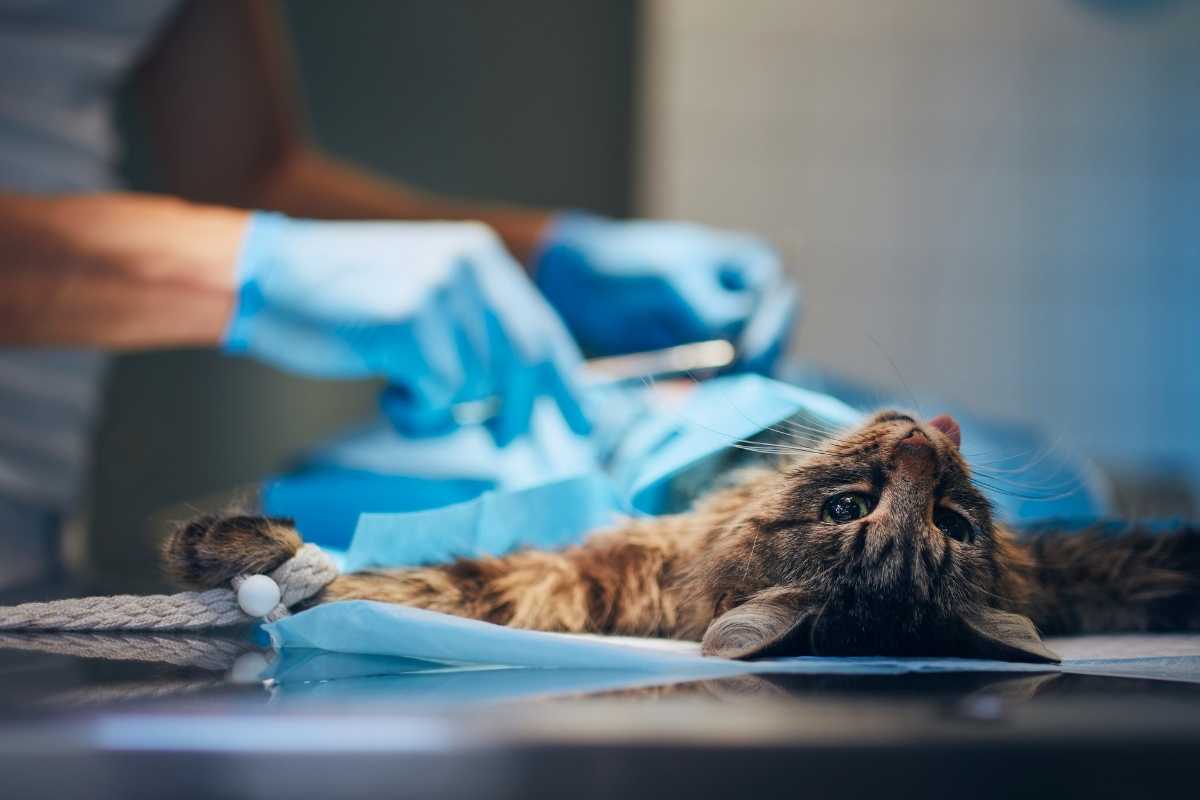
Cats may be incredibly resilient, but recovering from surgery still requires dedicated care, patience, and close monitoring. Whether your cat has undergone a routine spay/neuter or a more complex procedure, the recovery period plays a significant role in their long-term health. Because of this, understanding what to expect—and what responsibilities you have as a pet parent—can make the healing process smoother and safer.
This complete guide explains everything you need to know about helping your cat recover comfortably and confidently after surgery.
1. Create a Quiet and Comfortable Recovery Space
Right after surgery, your cat needs a calm, safe area to rest. Anesthesia can leave them disoriented, so they may stumble or react unpredictably. Therefore, setting up a dedicated recovery space helps reduce stress and prevents injuries.
Include the following in your cat’s recovery area:
- A soft bed or blanket
- Access to fresh water
- A litter box nearby
- Minimal noise or foot traffic
- Dim lighting
- No high surfaces your cat can jump on
Moreover, choose a room where children and other pets cannot disturb your cat during the early recovery phase.
2. Follow Your Veterinarian’s Pain Management Instructions
Proper pain control is essential. Cats often hide discomfort, so they may appear “fine” even when they’re not. For this reason, always follow your vet’s instructions closely.
Common pain management tools include:
- Prescription pain medications
- Anti-inflammatory drugs
- Antibiotics (when needed)
Never give your cat human medication, as many common drugs—such as ibuprofen—can be toxic. If you notice signs like restlessness, hiding, or lack of appetite, contact your vet because these may indicate uncontrolled pain.
3. Monitor the Surgical Incision Carefully
Checking the incision area daily is one of the most important parts of post-surgery care. Early detection of complications prevents more serious problems.
What a normal incision looks like:
- Slight redness
- Mild swelling
- Clean, closed edges
Warning signs to watch for:
- Bleeding
- Pus or yellow discharge
- Foul odor
- Increasing redness or swelling
- Gaping of the incision
- Excessive licking or biting at the area
If you observe any of these issues, call your veterinarian immediately because infections can progress quickly.
4. Prevent Licking and Scratching
Cats naturally want to groom themselves, but licking the incision can delay healing or cause infections. Therefore, preventing access to the wound is essential.
Common protective tools include:
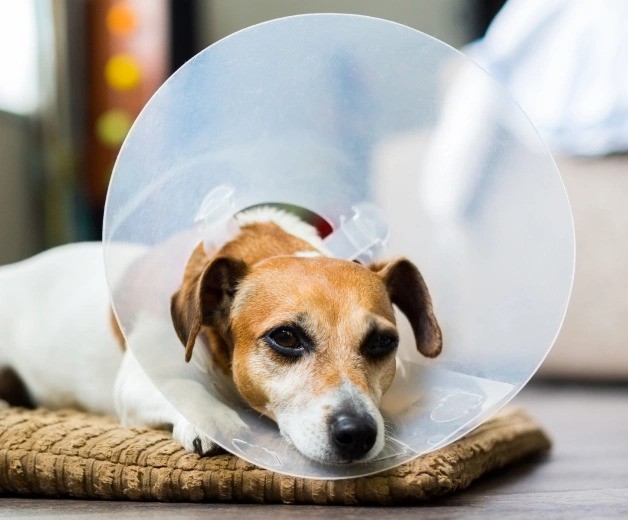
- Elizabethan collar (E-collar)
- Soft recovery cone
- Surgical recovery suit
In addition, make sure the collar fits properly so your cat cannot slip out or reach the incision.
5. Limit Activity and Jumping
Although cats are agile, moving too much during recovery can damage stitches or reopen the wound. For this reason, restricting activity is crucial during the first 10–14 days.
How to limit activity:
- Confine your cat to a small room
- Block access to high furniture
- Use a tall baby gate if necessary
- Avoid interactive play until the vet approves
Gradually reintroduce gentle movement once the incision heals and your vet gives the green light.
6. Provide Proper Nutrition and Hydration
Your cat’s appetite may decrease slightly for the first 24 hours after surgery. However, they should begin eating normally soon afterward.
Feeding tips for recovery:
- Offer small, frequent meals
- Provide fresh water at all times
- Stick to their regular diet unless your vet recommends changes
- Avoid giving heavy treats or new foods
Additionally, wet food can help increase hydration and encourage appetite if your cat is reluctant to eat.
7. Keep the Litter Box Accessible and Clean
During recovery, your cat may move slower or feel uncomfortable. Therefore, make sure the litter box is easy to access. Choose a box with low sides so your cat can step in without effort.
Cleaning the litter box more frequently than usual helps prevent infections—especially for cats recovering from abdominal or urinary procedures.
8. Give Medications Exactly as Directed
If your veterinarian prescribes antibiotics or other medications, complete the full course. Stopping medication early—even when your cat appears better—can lead to complications or incomplete healing.
Tips for medication success:
- Use pill pockets or mix pills into food
- Ask your vet how to give liquid medication
- Keep a schedule to avoid missed doses
Furthermore, never change or adjust dosage without consulting your veterinarian.
9. Attend All Follow-Up Appointments
Follow-up visits allow your veterinarian to check the incision, assess your cat’s healing progress, and remove stitches if necessary. Even if the recovery seems to be going smoothly, these appointments remain necessary because they help ensure long-term health.
During the visit, your vet may also update pain medications or adjust activity recommendations.
10. Reduce Stress and Support Emotional Recovery
Surgery can be physically and emotionally stressful for cats. Consequently, providing reassurance and a peaceful environment is important.
Ways to reduce stress:
- Use calming pheromone diffusers
- Keep noise levels low
- Offer gentle petting only when your cat initiates it
- Maintain a predictable daily routine
Patience is key—some cats may take longer than others to relax after surgery.
Helping your cat recover from surgery requires attentive care, consistency, and gentle support. From monitoring the incision to creating a peaceful recovery space, each step plays a vital role in ensuring your cat heals safely and comfortably. If you need specialized guidance or professional follow-up care, consulting trusted experts for cat surgery in Winthrop Harbor, IL is the best way to ensure your feline friend receives the highest level of post-operative support.
FAQs
Q1. How long does it take for a cat to recover after surgery?
Ans. Most cats recover within 10–14 days, although complex procedures may require a longer healing period.
Q2. Should I keep my cat in a separate room after surgery?
Ans. Yes. A quiet, contained space helps prevent injury, stress, and excessive movement during recovery.
Q3. What if my cat refuses to eat after surgery?
Ans. A mild decrease in appetite is normal. However, if your cat refuses food for more than 24 hours, contact your veterinarian.
Q4. Can I bathe my cat during recovery?
Ans. Avoid bathing your cat until the incision is fully healed and your veterinarian approves.
Q5. Is it safe for my cat to jump after surgery?
Ans. No. Jumping can damage stitches or reopen the incision. Restrict jumping for at least two weeks.
Q6. When should I call the vet about my cat’s incision?
Ans. Any signs of discharge, swelling, foul odor, or gaping require immediate veterinary attention.