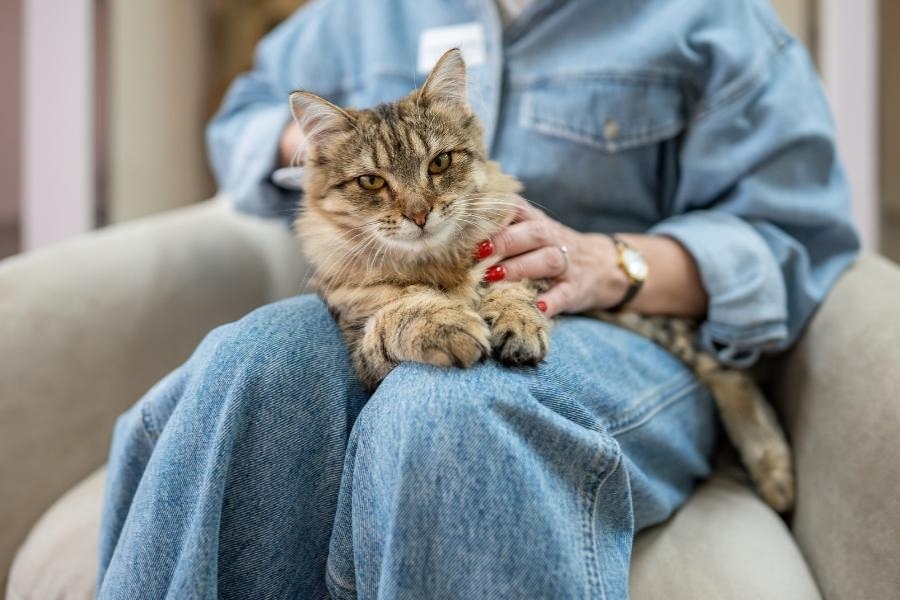


Harbor Animal Hospital is now permanently closed. For continued care, we recommend Gray Animal Hospital.

Senior Cat Nutrition: How to Feed Your Aging Cat for Lifelong Health
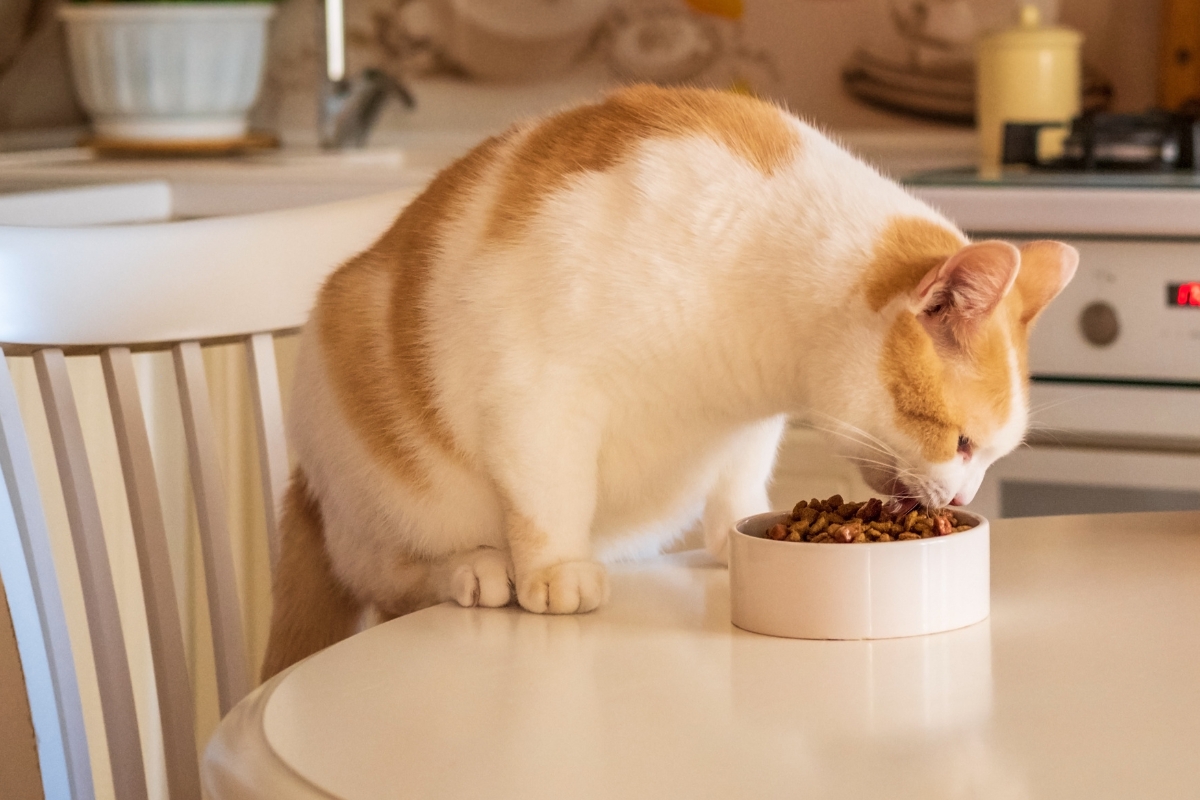
As cats grow older, their nutritional needs change just as much as their behavior and activity levels. While kittens and adult cats thrive on high-energy diets, senior cats require thoughtful adjustments to maintain muscle mass, support organ health, and improve overall quality of life. Therefore, understanding what to feed an aging cat becomes one of the most important responsibilities for pet parents.
Moreover, proper nutrition can slow age-related decline, manage chronic conditions, and keep your feline companion comfortable well into their golden years. This guide explains everything you need to know about feeding senior cats, from nutrient requirements to common dietary challenges, especially for pet owners in Winthrop Harbor, IL.
When Is a Cat Considered a Senior?
Generally, cats enter their senior years around the age of 7, although visible aging signs often appear closer to 10 or 11 years. At this stage, metabolism slows down, digestion becomes less efficient, and the immune system weakens. As a result, cats need diets that provide balanced nutrition without unnecessary calories.
Additionally, aging cats often experience dental issues, reduced mobility, and decreased appetite. Because of this, nutrition plays a key role in maintaining both physical health and emotional well-being.
Why Nutrition Matters More as Cats Age
Senior cats face unique health challenges, including kidney disease, arthritis, diabetes, and weight fluctuations. Fortunately, the right diet can help manage or even prevent many of these conditions.
For example:
- Targeted nutrients support joint flexibility
- High-quality protein helps preserve lean muscle
- Controlled phosphorus protects kidney function
Consequently, nutrition becomes more than just feeding—it becomes a preventive healthcare strategy.
Essential Nutrients for Senior Cats
1. High-Quality Protein
Although older cats may seem less active, they still require ample protein. In fact, senior cats often need more digestible protein to prevent muscle loss. However, the protein source must be high quality to avoid stressing the kidneys.
Look for named animal proteins such as chicken, turkey, or fish as the primary ingredient.
2. Healthy Fats and Omega-3 Fatty Acids
Healthy fats provide energy and support skin, coat, and brain health. In addition, omega-3 fatty acids reduce inflammation and help manage arthritis and cognitive decline.
Therefore, diets containing fish oil or flaxseed oil benefit aging cats significantly.
3. Controlled Phosphorus and Sodium
As cats age, kidney health becomes a major concern. Excess phosphorus can worsen kidney disease, while high sodium levels may strain the heart.
Because of this, senior cat food formulas typically include controlled mineral levels to support long-term organ function.
4. Fiber for Digestive Health
Digestive efficiency declines with age. Therefore, moderate fiber helps regulate bowel movements and prevents constipation, a common issue in older cats.
Additionally, fiber contributes to gut health by supporting beneficial bacteria.
5. Vitamins and Antioxidants
Antioxidants such as vitamins C and E help strengthen the immune system. Meanwhile, B-complex vitamins support energy metabolism and brain function.
Together, these nutrients protect aging cells and slow the effects of oxidative stress.
Wet Food vs. Dry Food for Senior Cats
One of the most common questions pet owners ask involves choosing between wet and dry food. Each option offers benefits; however, many veterinarians recommend wet food for senior cats.
Wet Food Benefits
- Higher moisture content supports kidney health
- Softer texture helps cats with dental issues
- Strong aroma encourages picky eaters
Dry Food Benefits
- Helps reduce plaque buildup
- Convenient and cost-effective
- Longer shelf life
In many cases, a combination feeding approach works best, providing hydration while maintaining dental support.
Common Nutrition Challenges in Aging Cats
Decreased Appetite
Senior cats often eat less due to reduced smell, dental pain, or underlying illness. Warming food slightly and offering smaller, frequent meals can help stimulate appetite.
Weight Loss or Weight Gain
Some older cats lose weight due to muscle loss, while others gain weight because of reduced activity. Therefore, regular weight monitoring helps adjust portions before problems arise.
Dental Problems
Dental disease affects a majority of senior cats. Soft foods, dental treats, and routine veterinary checkups play an important role in maintaining oral health.
Food Sensitivities
As cats age, they may develop sensitivities to certain ingredients. Limited-ingredient diets often help manage vomiting, diarrhea, or skin issues.
Prescription Diets for Senior Cats
When chronic conditions appear, prescription diets become essential. These diets target specific health concerns, such as:
- Kidney disease
- Diabetes
- Joint inflammation
- Gastrointestinal disorders
Veterinarians customize these diets based on blood work, weight, and overall health, ensuring precise nutritional support.
How Feeding Routines Should Change with Age
Consistency matters more than ever for senior cats. Feeding at the same time daily helps regulate digestion and reduce stress.
Additionally:
- Offer smaller meals throughout the day
- Ensure easy access to food and water
- Place bowls away from noisy areas
These small changes improve comfort and encourage regular eating habits.
The Role of Veterinary Guidance
While commercial senior cat foods provide a good foundation, no single diet suits every aging cat. Regular veterinary checkups allow for early detection of nutritional deficiencies and age-related illnesses.
More importantly, professional guidance ensures your cat receives the correct nutrients without unnecessary supplements or dietary risks. This proactive approach supports overall wellness and longevity.
FAQs
Q1. What age is considered senior for cats?
Ans. Cats are generally considered senior once they reach 7 years of age, although noticeable aging changes often appear after age 10.
Q2. Do senior cats need a special diet?
Ans. Yes, senior cats benefit from diets designed to support aging organs, maintain muscle mass, and provide easily digestible nutrients.
Q3. Is wet food better than dry food for senior cats?
Ans. Wet food is often recommended for senior cats because it provides extra moisture, supports kidney health, and is easier to chew.
Q4. How can I tell if my senior cat’s diet needs to change?
Ans. Signs such as weight loss, reduced appetite, digestive issues, or changes in energy levels may indicate the need for a dietary adjustment.
Q5. Can senior cats eat the same food as younger cats?
Ans. Senior cats can eat adult cat food, but senior-specific formulas are better suited to their changing nutritional needs.
Q6. How often should senior cats see a veterinarian for nutrition guidance?
Ans. Senior cats should receive veterinary checkups at least twice a year to monitor health changes and adjust their diet as needed.