

Harbor Animal Hospital is now permanently closed. For continued care, we recommend Gray Animal Hospital.

Veterinarian-Approved Tips for Monitoring Your Senior Pet’s Health at Home
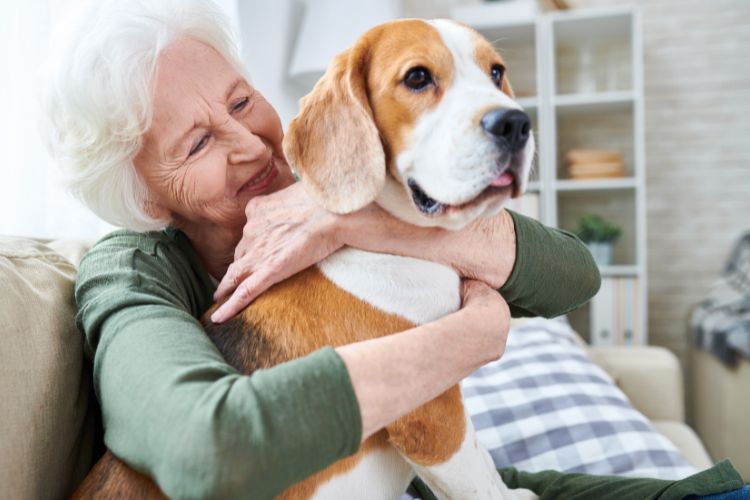
As your pet enters their senior years, it’s natural to want to do everything you can to ensure they remain happy, comfortable, and healthy. Senior pets often face specific health challenges, such as joint pain, decreased energy, and age-related conditions, that may not be immediately apparent. By closely monitoring your aging pet’s health at home, you can detect issues early and ensure they receive the care they need.
This blog is especially for pet owners in Winthrop Harbor, IL, looking for ways to keep their senior pets in great shape as they age. We’ll explore practical, veterinarian-approved tips for monitoring your pet’s health, including what changes to look for, how to track their well-being, and when to seek professional help. With these tips, you can provide the best possible care for your senior dog or cat.
By the end of this guide, you’ll feel empowered to keep a close watch on your pet’s health, ensuring they enjoy their golden years to the fullest.
The Importance of Monitoring Your Senior Pet’s Health
Just like humans, pets change as they age, and many of these changes can affect their health and behavior. Senior pets are more prone to conditions like arthritis, dental issues, kidney disease, and cognitive decline. These issues may not be obvious to you at first, so it’s important to monitor your pet’s health closely to catch potential problems early.
Routine home checks and regular vet visits will allow you to address health issues before they worsen. Aging pets benefit from proactive senior pet care that supports their overall comfort and longevity. Your pet’s health, happiness, and quality of life depend on your ability to recognize changes in their behavior, diet, and physical condition.
Working closely with a veterinarian will provide you with the tools and knowledge needed to manage your aging pet’s health effectively. Through regular monitoring, you can ensure your pet stays comfortable and healthy throughout their senior years.
Key Areas to Monitor in Your Senior Pet’s Health
To ensure your senior pet stays in great shape, it’s important to monitor the following aspects of their health regularly. Let’s break down the key areas you should be aware of and what changes to look for:
1. Weight and Body Condition
Maintaining a healthy weight is essential for your aging pet’s overall well-being. Both excessive weight gain and weight loss can signal potential health problems.
- Overweight pets: Extra weight can put strain on your pet’s joints and increase the risk of diseases like diabetes, heart disease, and arthritis.
- Underweight pets: If your pet is losing weight, it could be a sign of digestive problems, dental disease, or an underlying illness.
Monitor your pet’s weight regularly and consult your vet to adjust their diet if needed. Keep track of any changes in body condition and seek professional advice if you notice any significant fluctuations.
2. Joint Health and Mobility
As pets age, they often develop joint problems such as arthritis, which can limit their mobility. Arthritis can cause pain, stiffness, and difficulty moving, which can significantly affect your pet’s quality of life.
- Signs to watch for: Limping, difficulty standing up, reluctance to jump or climb stairs, and slow or awkward movement.
- What to do: Provide orthopedic bedding, keep pathways clear, and offer gentle exercise. Joint supplements, like glucosamine, can help support joint health. Consult your vet for more options to manage your pet’s mobility.
3. Dental Health
Dental disease is one of the most common health issues in aging pets. Plaque, tartar buildup, and gum disease can cause pain, tooth loss, and even lead to infections in other parts of the body.
- Signs of dental disease: Bad breath, red or swollen gums, difficulty eating, and excessive drooling.
- What to do: Brush your pet’s teeth regularly, provide dental chews, and schedule routine dental checkups with your vet to keep their teeth and gums healthy.
4. Diet and Digestion
A senior pet’s digestive system may become less efficient over time, which can lead to weight changes, loss of appetite, or digestive upset.
- Signs of digestive issues: Vomiting, diarrhea, constipation, or decreased appetite.
- What to do: Adjust your pet’s diet to meet their nutritional needs. Senior pets often benefit from food that is easier to digest and contains nutrients that support joint and organ health. Consult your vet for the best dietary recommendations.
5. Behavioral Changes
Behavioral changes can be a sign of discomfort, cognitive dysfunction, or pain. It’s important to note any shifts in behavior to ensure your pet’s well-being.
- Signs of behavioral changes: Increased anxiety, confusion, disorientation, sleeping more than usual, or a lack of interest in favorite activities.
- What to do: Create a consistent daily routine for your pet to provide comfort and structure. Monitor changes carefully and consult your vet if behavioral issues arise.
6. Vision and Hearing
As pets age, their vision and hearing may decline, which can impact their ability to navigate their environment and respond to commands.
- Signs of vision problems: Cloudy eyes, bumping into furniture, or hesitation to go outside.
- Signs of hearing loss: Not responding to calls or sounds, barking excessively, or becoming startled by loud noises.
- What to do: If you notice signs of sensory decline, visit your vet for an evaluation. While some age-related changes can’t be reversed, your vet can offer tips for helping your pet adjust to vision and hearing loss.
Practical Tips for Keeping Your Senior Pet Healthy at Home
In addition to monitoring your older pet’s health, there are several actions you can take to support their well-being at home. Here are some practical tips:
1. Provide Comfortable Bedding
As your pet ages, they may experience joint pain and stiffness. To help alleviate discomfort, provide an orthopedic bed that offers better support for their joints and bones.
- Look for beds with memory foam or supportive padding that can relieve pressure points. Choose a bed that’s easy for your pet to access.
2. Adapt Your Home for Safety
Older pets may be more prone to accidents, so it’s important to create a safe environment. Remove obstacles that could cause your pet to trip, slip, or fall.
- Use non-slip rugs, ramps for furniture, and make sure your pet has easy access to their favorite spots. Consider placing barriers to prevent them from accessing stairs if they have mobility issues.
3. Exercise and Mental Stimulation
While older pets may not have the same energy levels as they once did, regular exercise is still important. Low-impact activities, such as short walks or gentle play, help maintain muscle strength and joint flexibility.
- Engage your pet’s mind with puzzle toys or training sessions. Mental stimulation is essential for preventing cognitive decline in senior pets.
4. Monitor Their Health with Regular Vet Visits
Regular vet checkups are essential for aging pets. Your veterinarian will perform a thorough exam, screen for age-related conditions, and offer guidance on maintaining their health.
- Scheduling vet visits at least every six months for older pets helps catch issues early and ensures your pet’s health is regularly monitored.
The Long-Term Benefits of Monitoring Senior Pet Health
By taking proactive steps to monitor your senior pet’s health, you’re ensuring that they live a longer, more comfortable life. Early detection of health issues enables timely intervention, which can significantly improve your pet’s quality of life.
In addition to improving your pet’s comfort, regular monitoring can help prevent more serious health problems from developing. Older pets that receive proper care, nutrition, and medical attention are more likely to maintain their vitality and enjoy their golden years to the fullest.
The Care Your Senior Pet Deserves as They Grow Older
Caring for an aging pet requires extra attention and effort, but the rewards are well worth it. By closely monitoring their health, adjusting their lifestyle, and providing regular veterinary care, you can ensure that your pet stays happy, comfortable, and healthy as they age. Keep an eye on their weight, mobility, behavior, and overall well-being to catch potential issues early.
FAQs
1. How often should I take my senior pet to the vet?
It’s recommended that senior pets be taken to the vet every six months. Regular checkups ensure early detection of health issues and help manage age-related conditions.
2. What are the signs that my senior pet is in pain?
Signs of pain include limping, difficulty moving, reluctance to jump, whimpering, and behavioral changes. If you notice these, consult your vet for evaluation.
3. Can I change my senior pet’s diet to improve their health?
Yes, senior pets may require a diet that supports joint health, digestion, and overall well-being. Consult your vet for the best food options.
4. What should I do if my senior pet is losing weight?
Weight loss can indicate an underlying issue, such as dental disease or organ problems. Schedule a vet visit to assess their condition and adjust their diet.
5. How can I make my senior pet more comfortable at home?
Provide an orthopedic bed, ensure easy access to food and water, and remove obstacles. Regular, low-impact exercise and mental stimulation will also keep them comfortable.
6. Is it normal for senior pets to slow down?
Some decrease in activity is normal as pets age, but a sudden drop in energy or interest in activities may indicate an underlying health issue. Consult your vet for advice.