


Harbor Animal Hospital is now permanently closed. For continued care, we recommend Gray Animal Hospital.

Pet Diagnostic Care: The Key to Early Detection and Better Treatment
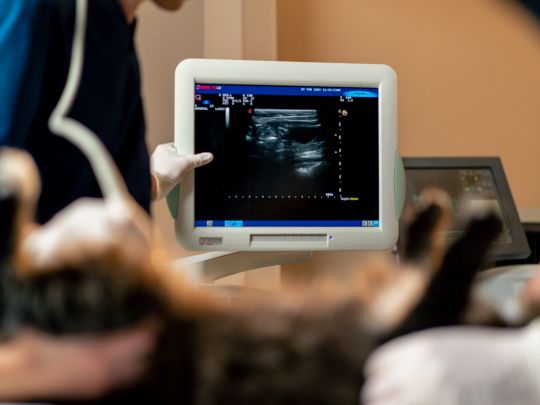
Pets are beloved members of the family, and keeping them healthy is a top priority for every responsible pet owner. While regular checkups, proper nutrition, and exercise are essential for maintaining wellness, diagnostic testing plays a crucial role in identifying health problems before they become serious.
Many illnesses in pets develop gradually and may not show obvious symptoms during the early stages. By the time visible signs appear, the condition may already be advanced. For this reason, veterinary diagnostic services have become an important part of preventive healthcare for animals.
Through modern veterinary technology, diagnostic tests allow veterinarians to evaluate internal health conditions quickly and accurately. These tests provide valuable insights that guide treatment decisions and improve outcomes. In fact, pet diagnostic care has become one of the most effective tools veterinarians use to detect disease early and provide timely treatment.
This guide explains why diagnostic testing is so important, how it works, and what pet owners should expect. It is especially helpful for pet owners who want to make informed healthcare decisions for their animals. This blog is designed to support pet owners in Winthrop Harbor, IL who want to protect their pets through proactive veterinary care.
Understanding Veterinary Diagnostic Care
Veterinary diagnostic care refers to a variety of tests and evaluations used to assess a pet’s health. These tests help veterinarians gather detailed information about the body’s internal systems, including organs, blood chemistry, and overall physical condition.
Unlike routine physical exams alone, diagnostic tools provide measurable data that can reveal hidden health issues.
Common diagnostic procedures include:
- Blood tests
- Urinalysis
- X-rays
- Ultrasound imaging
- Fecal testing
- Allergy testing
Together, these tests help veterinarians develop a complete picture of a pet’s health status.
Furthermore, diagnostic evaluations allow veterinarians to monitor chronic conditions, evaluate treatment effectiveness, and detect potential health risks early.
Why Early Detection Matters
Early detection is one of the most powerful ways to improve treatment outcomes in veterinary medicine. When illnesses are discovered during the early stages, treatment is often simpler, more effective, and less costly.
For example, early diagnosis can help manage conditions such as:
- Kidney disease
- Diabetes
- Thyroid disorders
- Heart disease
- Infections
- Cancer
Without diagnostic testing, many of these conditions may go unnoticed until symptoms become severe.
In addition, early intervention can reduce discomfort for pets and prevent complications. As a result, pets are more likely to recover quickly and maintain a higher quality of life.
This proactive approach to healthcare highlights the importance of routine screenings and preventive veterinary care.
Common Diagnostic Tests for Pets
Veterinarians rely on several diagnostic tools to evaluate pet health. Each test provides specific information that helps identify or rule out medical conditions.
Blood Tests
Blood testing is one of the most commonly used diagnostic methods in veterinary medicine. It helps evaluate organ function, detect infections, and monitor metabolic health.
Blood tests can reveal:
- Liver function
- Kidney performance
- Blood sugar levels
- Hormone imbalances
- Signs of inflammation
Because blood testing provides valuable information about internal systems, it is often recommended during routine wellness exams.
Urinalysis
Urinalysis helps veterinarians assess urinary tract health and kidney function. This test analyzes urine samples for abnormalities such as bacteria, crystals, or unusual chemical levels.
Urinalysis can help diagnose conditions including:
- Urinary tract infections
- Kidney disease
- Diabetes
- Bladder stones
Additionally, it is commonly used to monitor pets receiving long-term treatment for chronic conditions.
Diagnostic Imaging
Imaging tools allow veterinarians to examine the internal structure of a pet’s body without surgery.
Two of the most commonly used imaging techniques include:
X-Rays
X-rays help veterinarians examine bones, lungs, and abdominal organs. They are frequently used to detect fractures, tumors, or foreign objects.
Ultrasound
Ultrasound imaging provides a detailed view of soft tissues and internal organs. It is often used to evaluate the heart, liver, kidneys, and reproductive organs.
Together, these imaging tools provide critical information that helps guide treatment decisions.
Fecal Testing
Fecal tests identify intestinal parasites that may affect a pet’s digestive health. Parasites such as roundworms, hookworms, and giardia can cause serious health problems if left untreated.
Routine fecal testing helps ensure pets remain parasite-free and protects both animal and human health.
Diagnostic Testing for Preventive Care
Diagnostic testing is not only used when pets appear sick. In fact, preventive screening is one of the most valuable aspects of veterinary diagnostics.
Routine wellness testing allows veterinarians to establish a baseline for your pet’s health. Over time, these records help identify subtle changes that might indicate a developing condition.
Preventive screening is especially beneficial for:
- Senior pets
- Pets with chronic conditions
- Breeds prone to genetic disorders
- Pets taking long-term medications
By detecting problems early, veterinarians can begin treatment before the condition progresses.
This proactive healthcare approach supports long-term wellness and improves life expectancy for pets.
Signs Your Pet May Need Diagnostic Testing
Sometimes pets show clear symptoms that indicate a health concern. In these situations, diagnostic testing becomes essential for identifying the underlying cause.
Pet owners should contact a veterinarian if they notice signs such as:
- Loss of appetite
- Unexplained weight loss
- Vomiting or diarrhea
- Excessive thirst or urination
- Persistent coughing
- Lethargy or weakness
Behavioral changes can also indicate medical issues. If a normally active pet suddenly becomes withdrawn or restless, a veterinary evaluation may be necessary.
Through thorough testing and professional evaluation, veterinarians can determine the most appropriate treatment plan.
Many pet owners rely on pet diagnostic care as part of a comprehensive healthcare strategy that helps detect and treat health concerns before they become serious.
How Diagnostic Care Improves Treatment Outcomes
Accurate diagnosis is the foundation of effective treatment. Without proper testing, it may be difficult to identify the exact cause of illness.
Diagnostic results allow veterinarians to:
- Develop targeted treatment plans
- Choose the most appropriate medications
- Monitor treatment progress
- Adjust therapies when needed
Additionally, diagnostic tools help avoid unnecessary treatments by providing clear medical evidence.
When veterinarians have precise information, they can provide faster relief and better long-term care for pets.
The Role of Veterinary Technology in Modern Pet Care
Veterinary medicine continues to advance rapidly, and modern technology has greatly improved diagnostic accuracy.
Many veterinary hospitals now use advanced equipment that provides faster and more reliable results.
These technologies include:
- Digital radiography
- In-house laboratory testing
- Ultrasound imaging
- Advanced blood analyzers
Because of these innovations, veterinarians can diagnose conditions more quickly than ever before.
As a result, pets receive timely treatment that improves recovery and overall health outcomes.
Supporting Your Pet’s Lifelong Health
Caring for a pet requires more than simply treating illness when it occurs. Preventive healthcare plays a critical role in protecting long-term wellness.
Routine checkups, balanced nutrition, vaccinations, and diagnostic testing work together to support a healthy life for pets.
When pet owners partner with experienced veterinarians, they gain valuable guidance that helps prevent illness and detect problems early.
By taking a proactive approach to veterinary care, pet owners can ensure their animals enjoy happy, active lives for many years.
Early detection is one of the most powerful tools in veterinary medicine. Diagnostic testing provides valuable insight into a pet’s internal health, allowing veterinarians to identify medical concerns before they become serious.
From routine blood tests to advanced imaging technologies, diagnostic services help veterinarians deliver precise and effective treatment plans. When health conditions are discovered early, pets benefit from faster recovery, improved comfort, and a higher quality of life.
FAQs
Q1. What is pet diagnostic care?
Ans. Pet diagnostic care refers to the medical tests and evaluations veterinarians use to assess a pet’s internal health. These tests may include blood work, imaging, urine analysis, and other screenings that help identify illnesses or underlying health conditions before they become serious.
Q2. Why is early diagnostic testing important for pets?
Ans. Early diagnostic testing allows veterinarians to detect health problems before symptoms become severe. When conditions are identified early, treatment can begin sooner, which often leads to faster recovery and better long-term health outcomes for pets.
Q3. What types of diagnostic tests do veterinarians commonly use?
Ans. Veterinarians commonly use blood tests, urinalysis, fecal exams, X-rays, and ultrasound imaging. These tests help evaluate organ function, detect infections, and identify internal abnormalities that may not be visible during a routine physical examination.
Q4. How often should pets undergo diagnostic testing?
Ans. The frequency of diagnostic testing depends on a pet’s age, health history, and lifestyle. Many veterinarians recommend annual wellness screenings for healthy pets, while senior pets or those with medical conditions may require more frequent testing.
Q5. Are diagnostic procedures safe for pets?
Ans. Most veterinary diagnostic procedures are safe and minimally invasive. Tests such as blood sampling or imaging typically cause little discomfort and provide valuable information that helps veterinarians make accurate diagnoses.
Q6. What signs indicate that my pet may need diagnostic testing?
Ans. Pets may need diagnostic testing if they show symptoms such as loss of appetite, unusual weight changes, excessive thirst, vomiting, lethargy, or behavioral changes. If any of these signs appear, a veterinary examination and appropriate testing can help determine the underlying cause.