

Harbor Animal Hospital is now permanently closed. For continued care, we recommend Gray Animal Hospital.

Why Diagnostic Testing is Essential for Your Pet’s Health

As a loving pet owner, you do everything you can to ensure your furry companion stays healthy and happy. You provide nutritious food, exercise, grooming, and regular checkups. However, even with the best care, some health conditions remain hidden without further evaluation. That’s where diagnostic testing plays a vital role.
In this post, we’ll explore why routine diagnostic testing is not just helpful—but essential—for your pet’s overall well-being.
What Is Diagnostic Testing in Pets?
Diagnostic testing includes a variety of medical tests that help veterinarians identify diseases, infections, and internal conditions that may not show obvious symptoms. These tests range from blood work and urinalysis to imaging techniques like X-rays and ultrasounds.
In other words, diagnostic testing gives your vet a complete picture of your pet’s internal health.
Early Detection Saves Lives
One of the most significant benefits of diagnostic testing is early detection. Pets often hide symptoms of illness, either due to instinct or the nature of the condition. By the time physical symptoms appear, a disease may have already progressed.
However, with regular diagnostic screening, your veterinarian can catch potential issues before they become serious. Early detection often leads to:
- More effective treatment
- Shorter recovery times
- Lower healthcare costs
- Better long-term prognosis
For example, identifying kidney disease in its early stages allows for dietary adjustments and medication that can slow progression significantly.
Types of Common Diagnostic Tests
There are several key diagnostic tests every pet may undergo at various stages of their life. Let’s take a closer look:
1. Blood Tests (CBC and Chemistry Panels)
Blood tests help assess the function of vital organs such as the liver, kidneys, and pancreas. They can also detect anemia, infections, and even some cancers.
2. Urinalysis
Urinalysis provides insight into your pet’s kidney function and can detect urinary tract infections, bladder stones, and other issues.
3. X-rays (Radiographs)
X-rays are used to view bones, joints, and internal organs. They’re especially helpful for detecting fractures, tumors, or heart and lung issues.
4. Ultrasound
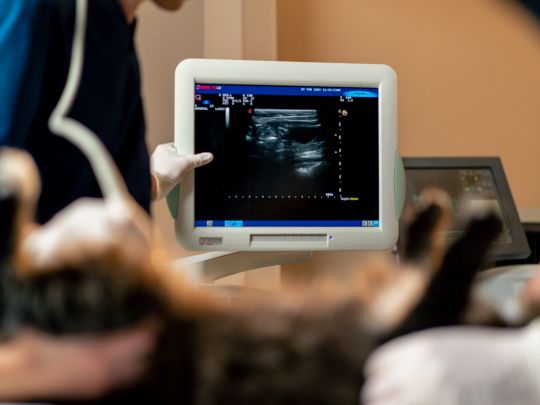
An ultrasound uses sound waves to create a real-time image of internal organs. It’s particularly useful for evaluating the liver, spleen, kidneys, and reproductive organs.
5. Fecal Exams
Fecal testing is important for identifying internal parasites like roundworms, hookworms, and giardia.
6. Electrocardiograms (ECG/EKG)
An ECG monitors heart rhythm and can detect irregular heartbeats or other cardiac problems.
Each test is like a puzzle piece—together, they help your veterinarian get a full, accurate picture of your pet’s health.
When Should You Consider Diagnostic Testing?
Diagnostic testing isn’t only for when your pet seems sick. It’s also vital in these situations:
- Before surgeries: Pre-anesthetic bloodwork ensures your pet is healthy enough for anesthesia.
- Senior wellness checks: Older pets are more prone to diseases that can be managed if caught early.
- Annual exams: Routine testing can help track changes over time and catch silent conditions.
- Unexplained symptoms: If your pet is acting “off,” diagnostic tests can help find the root cause.
How Diagnostic Testing Supports Preventive Care
Preventive care is the cornerstone of modern veterinary medicine. With diagnostic tools, your vet can tailor a wellness plan to your pet’s unique needs. Whether it’s adjusting a diet or starting early treatment, diagnostic results offer actionable insights.
Moreover, testing gives you peace of mind. Knowing your pet is truly healthy—not just acting healthy—is a huge relief for pet parents.
In conclusion, diagnostic testing is one of the most powerful tools available to safeguard your pet’s health. It allows for early detection, accurate diagnosis, and personalized treatment—all of which contribute to a longer, happier life for your furry friend.
If you’re looking for reliable pet diagnostics in Winthrop Harbor, IL, Harbor Animal Hospital offers advanced testing with compassionate care. Schedule your pet’s check-up today and take a proactive step toward their wellness journey.