

Harbor Animal Hospital is now permanently closed. For continued care, we recommend Gray Animal Hospital.

How to Help Your Dog Recover After Surgery: A Step-by-Step Care Guide
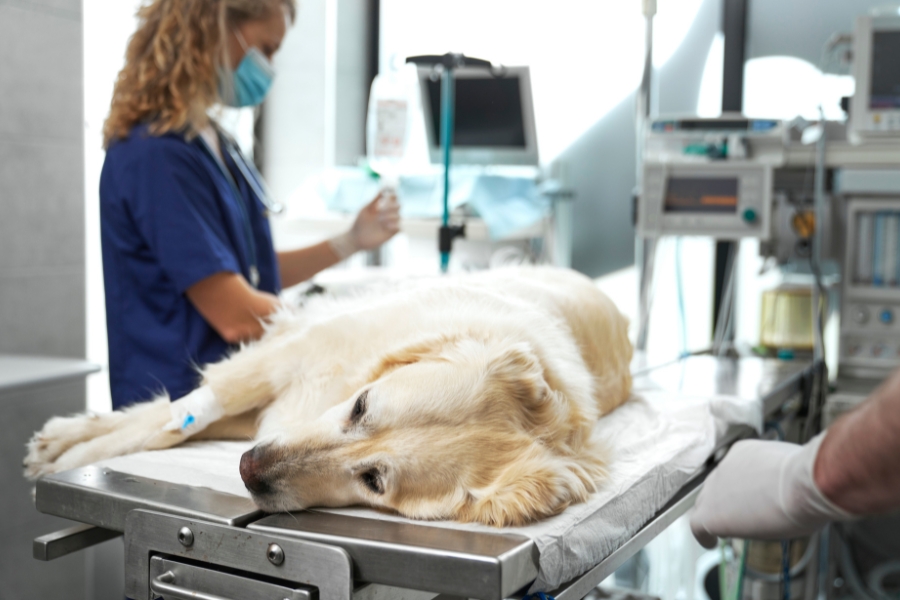
Watching your dog come home after a surgical procedure can feel overwhelming. You may notice grogginess, low energy, or changes in appetite, and that uncertainty often raises concern. While these reactions are normal, what truly determines a smooth recovery is the care your dog receives afterward. With the right approach, patience, and consistency, you can help your dog heal comfortably and safely.
Recovery does not happen overnight. Instead, it unfolds in stages that require attention to detail and close observation. By understanding what to expect and how to respond, you can reduce complications and support long-term health. This complete guide explains each step of post-operative care so you can feel confident supporting your pet at home. This information is especially helpful for pet owners in Winthrop Harbor, IL who want reliable guidance tailored to their community.
Understand What Recovery Looks Like
Before focusing on daily care, it helps to know what a normal recovery includes. After anesthesia, many dogs feel disoriented, sleepy, or slightly unsteady. Additionally, appetite may decrease for the first day. These signs usually improve within 24 hours.
However, healing continues internally even after your dog appears better. Because of this, following care instructions for the full recovery period is essential. Rushing the process often leads to setbacks that could have been avoided.
Follow Veterinary Instructions Exactly
First and foremost, always follow the post-operative instructions provided by your veterinarian. These guidelines are specific to your dog’s procedure, size, age, and overall health. Even small deviations can slow healing or cause complications.
Instructions often include medication schedules, feeding recommendations, activity restrictions, and incision care. Therefore, read everything carefully and ask questions if something feels unclear. Consistency plays a major role in recovery success.
Create a Calm and Comfortable Recovery Space
A quiet environment allows your dog to rest without unnecessary stress. Before bringing your pet home, prepare a dedicated recovery area away from loud noises, stairs, and other animals.
Choose a space with:
- Soft, clean bedding
- Moderate room temperature
- Low lighting
- Easy access to water
By limiting stimulation, you help your dog conserve energy for healing rather than reacting to distractions.
Limit Activity to Protect Healing Tissues
Rest is one of the most important components of recovery. Even if your dog begins to feel better quickly, internal healing takes time. Jumping, running, or climbing can strain stitches and cause swelling.
To manage activity safely:
- Keep your dog on a leash during bathroom breaks
- Block access to stairs and furniture
- Use baby gates or confinement if necessary
Although these restrictions may feel frustrating, they prevent complications and promote faster healing.
Monitor the Incision Site Daily
Daily incision checks help you catch potential problems early. A healthy incision should remain clean, dry, and closed. Mild redness or swelling may appear initially, but it should gradually improve.
Contact your veterinarian if you notice:
- Discharge or foul odor
- Excessive swelling or redness
- Bleeding or open stitches
- Signs of pain when touched
Never apply ointments, alcohol, or hydrogen peroxide unless directed, as these products can delay healing.
Prevent Licking and Chewing
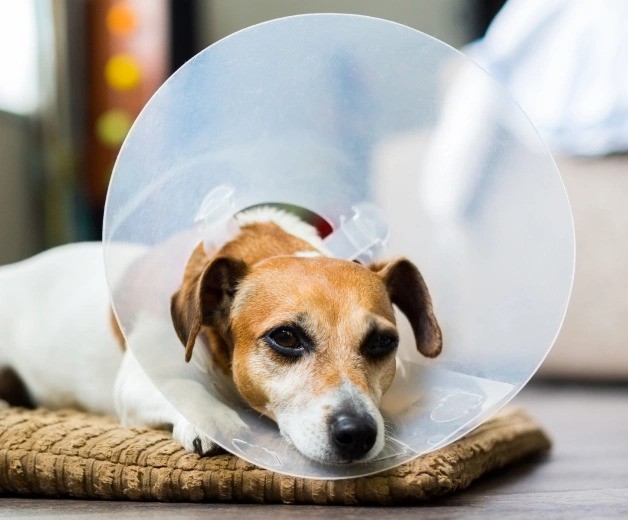
Dogs instinctively lick wounds, but this behavior often causes infection or disrupts stitches. Because supervision alone is rarely enough, protective tools are usually necessary.
Your veterinarian may recommend:
- An Elizabethan collar
- A soft recovery cone
- A surgical recovery suit
Although your dog may resist initially, these tools significantly reduce complications and shorten recovery time.
Administer Medications as Directed
Pain management supports healing and comfort. Give all medications exactly as prescribed, including antibiotics, anti-inflammatories, or pain relievers. Never stop medication early, even if your dog seems comfortable.
If your dog resists medication, ask your veterinary team for safe alternatives such as flavored liquids or pill pockets. Skipped doses can slow progress and increase discomfort.
Support Healing With Proper Nutrition
After surgery, appetite changes are common. Some dogs eat less for a day or two, while others resume normal eating quickly. Start with small portions and offer easily digestible food if recommended.
Proper nutrition helps:
- Repair tissues
- Maintain strength
- Support immune function
Always provide fresh water and avoid rich treats that could upset digestion.
Watch for Warning Signs
Although most dogs recover smoothly, complications can occur. Prompt action often prevents serious issues.
Contact your veterinarian immediately if you notice:
- Persistent vomiting or diarrhea
- Refusal to eat beyond 48 hours
- Lethargy that worsens instead of improves
- Difficulty breathing or walking
- Sudden behavior changes
Trust your instincts. If something feels off, it is better to ask than wait.
Attend All Follow-Up Appointments
Follow-up visits allow your veterinarian to evaluate healing progress and address concerns you may not see at home. These appointments often include suture removal, medication adjustments, and activity guidance.
Even if your dog appears fully recovered, internal healing may still be ongoing. Professional evaluation ensures recovery stays on track.
Common Recovery Mistakes to Avoid
Even attentive pet owners sometimes make mistakes during recovery. Avoid these common issues:
- Allowing unrestricted activity too soon
- Skipping medications
- Removing protective collars early
- Ignoring subtle incision changes
- Delaying veterinary contact
By avoiding these errors, you significantly reduce the risk of complications after dog surgery.
Emotional Support Matters Too
Beyond physical care, emotional comfort plays a powerful role in healing. Dogs thrive on routine and reassurance, especially during stressful periods.
Speak calmly, move gently, and allow plenty of rest. At the same time, offer quiet companionship without overwhelming affection. Emotional stability helps support physical recovery more than many people realize.
Why Professional Guidance Makes a Difference
Each dog heals differently depending on age, health, and procedure type. Personalized veterinary guidance ensures your dog receives care suited to their specific needs. Regular communication with your veterinary team helps address concerns early and keeps recovery moving forward.
Whether the procedure was minor or complex, professional support remains essential during the recovery phase following dog surgery.
Helping your dog recover after surgery requires patience, observation, and consistency. By creating a calm environment, following veterinary instructions, managing activity, and responding quickly to concerns, you play a vital role in your dog’s healing journey.
FAQs
Q1. How long does it take for a dog to fully recover after surgery?
Most dogs recover within 10–14 days, but healing time depends on the type of procedure, age, and overall health.
Q2. Is it normal for my dog to be sleepy or quiet after surgery?
Yes, drowsiness and reduced activity are common for a few days due to anesthesia and healing.
Q3. When can my dog resume normal exercise and play?
Your dog should return to normal activity only after your veterinarian approves it, usually after stitches are removed.
Q4. What signs of infection should I watch for after surgery?
Watch for redness, swelling, discharge, foul odor, fever, or excessive licking at the incision site.
Q5. What should I do if my dog refuses food after surgery?
A short loss of appetite is normal, but contact your veterinarian if your dog refuses food for more than 48 hours.
Q6. Do I need to keep my dog confined during recovery?
Yes, limiting movement helps prevent injury and supports proper healing, especially during the first two weeks.