

Harbor Animal Hospital is now permanently closed. For continued care, we recommend Gray Animal Hospital.

7 Essential Tips to Keep Your Senior Cat Healthy and Happy
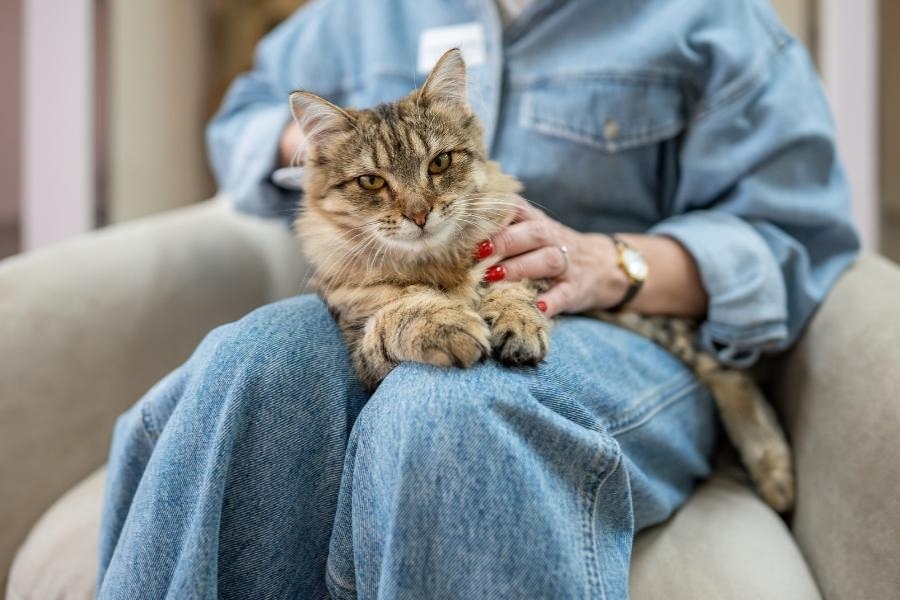
Cats bring comfort, companionship, and joy into our lives. However, as they age, their needs gradually change. Just like humans, senior cats require more attentive health monitoring, balanced nutrition, and a supportive home environment. With proper attention and thoughtful care, your aging feline companion can continue to live a comfortable and fulfilling life.
Generally, cats are considered seniors once they reach around 10 years of age. At this stage, they may experience slower movement, changes in appetite, or reduced energy. Nevertheless, proactive care can significantly improve their quality of life. By focusing on preventive health practices and routine veterinary checkups, pet owners can address potential issues before they become serious problems.
This guide highlights seven essential tips that help maintain your cat’s well-being during the golden years. Pet owners looking for guidance on senior cat care can use these practical strategies to support their pet’s health and happiness. This blog is especially helpful for cat owners living in Winthrop Harbor, IL, who want to ensure their feline companions age comfortably and safely.
1. Schedule Regular Veterinary Checkups
First and foremost, routine veterinary visits become increasingly important as cats grow older. While younger cats may only require annual checkups, senior cats often benefit from more frequent examinations.
Regular visits allow veterinarians to:
- Detect early signs of illness
- Monitor weight and nutrition
- Evaluate dental health
- Screen for common age-related conditions
For example, kidney disease, arthritis, thyroid disorders, and diabetes become more common as cats age. Early diagnosis allows veterinarians to create effective treatment plans that improve long-term outcomes.
Additionally, routine blood work and wellness exams provide valuable insight into your cat’s overall health. These tests can identify subtle changes before visible symptoms appear.
Therefore, consistent veterinary care remains one of the most important steps in maintaining your cat’s long-term well-being.
2. Provide Age-Appropriate Nutrition
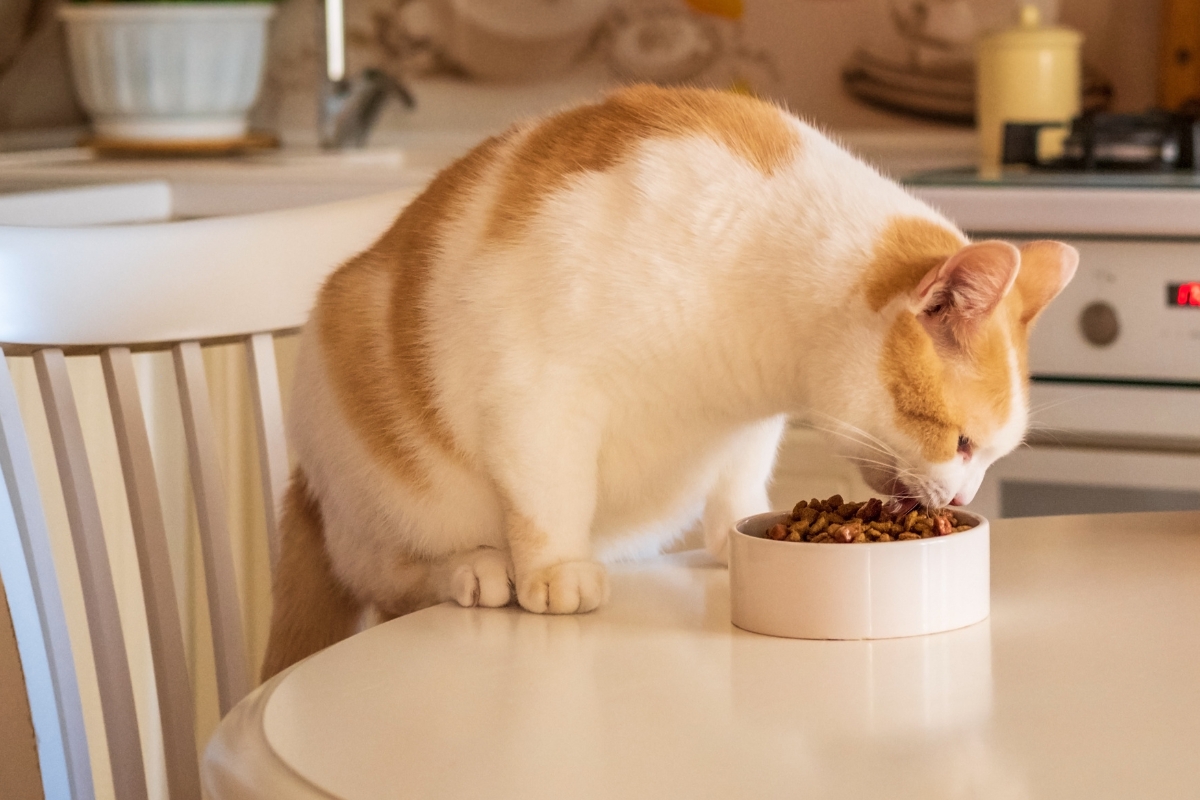
Nutrition plays a critical role in supporting the health of older cats. As cats age, their metabolism and digestive systems change. Consequently, they may require specially formulated diets that meet their evolving nutritional needs.
Senior cat food typically includes:
- High-quality protein for muscle maintenance
- Balanced minerals to support kidney health
- Controlled calories to prevent obesity
- Essential fatty acids for skin and coat health
In addition, some senior formulas contain joint-supporting nutrients like glucosamine and omega-3 fatty acids.
However, not every cat requires the same diet. Your veterinarian can recommend a nutrition plan tailored to your pet’s health condition, age, and lifestyle.
Furthermore, always ensure your cat has access to fresh water throughout the day. Proper hydration supports kidney function and overall wellness.
3. Maintain a Healthy Weight
Weight management becomes increasingly important as cats grow older. Both obesity and excessive weight loss can signal underlying health problems.
Overweight cats face a higher risk of developing:
- Arthritis
- Diabetes
- Heart disease
- Mobility issues
On the other hand, unexplained weight loss may indicate metabolic conditions, dental problems, or chronic illness.
To maintain a healthy weight:
- Monitor food portions carefully
- Avoid excessive treats
- Encourage gentle daily activity
If you notice sudden changes in appetite or body weight, consult your veterinarian promptly. Early evaluation can prevent minor concerns from becoming serious health problems.
4. Support Joint Health and Mobility
Many senior cats develop arthritis or joint stiffness. As a result, they may move more slowly, avoid jumping, or show hesitation when climbing stairs or furniture.
Fortunately, several simple adjustments can improve comfort and mobility.
Consider these helpful strategies:
- Provide soft bedding for joint support
- Use pet ramps or steps for furniture access
- Place litter boxes on easily accessible floors
- Keep food and water dishes within easy reach
Additionally, gentle play sessions help maintain muscle strength and flexibility. Even short daily activity periods can keep your cat engaged while supporting mobility.
If arthritis symptoms appear, your veterinarian may recommend supplements, medications, or specialized diets that promote joint health.
5. Monitor Dental Health
Dental disease is extremely common in older cats. In fact, untreated dental problems can lead to pain, infection, and difficulty eating.
Common signs of dental issues include:
- Bad breath
- Drooling
- Reduced appetite
- Pawing at the mouth
- Difficulty chewing
Routine dental exams allow veterinarians to identify issues such as plaque buildup, gum disease, or tooth damage.
Pet owners can also support dental health at home by:
- Providing dental treats or chews
- Using veterinarian-approved dental diets
- Scheduling professional cleanings when recommended
Good oral hygiene helps prevent infection while improving your cat’s comfort and appetite.
6. Create a Comfortable and Stress-Free Environment
As cats age, they often become more sensitive to changes in their surroundings. Therefore, maintaining a calm and predictable environment helps reduce stress.
Consider making small adjustments that increase comfort:
- Provide warm sleeping areas
- Maintain consistent feeding times
- Avoid sudden environmental changes
- Keep litter boxes clean and easily accessible
In addition, older cats may sleep more frequently. Quiet resting spaces allow them to relax without disturbances.
Environmental enrichment remains important as well. Window perches, gentle play toys, and interactive activities help keep senior cats mentally stimulated.
A peaceful environment supports emotional well-being and encourages healthy daily routines.
7. Watch for Behavioral and Health Changes
Finally, closely monitoring your cat’s behavior is essential. Even subtle changes can indicate underlying health concerns.
Look for signs such as:
- Increased thirst or urination
- Reduced grooming
- Hiding or withdrawal
- Changes in sleep patterns
- Sudden aggression or vocalization
Because cats naturally hide discomfort, behavioral changes may be the first warning sign of illness.
If you notice unusual symptoms, schedule a veterinary evaluation promptly. Early intervention significantly improves treatment success.
By staying attentive and proactive, pet owners can provide the support aging cats need during their later years.
Pet owners who want reliable guidance on senior cat care often benefit from professional veterinary advice combined with attentive daily observation.
Supporting Your Cat’s Golden Years
Caring for a senior cat requires patience, compassion, and proactive health management. Although aging brings natural changes, thoughtful care can help your feline companion remain comfortable and active for many years.
Regular veterinary visits, balanced nutrition, dental care, and a safe home environment all play vital roles in supporting long-term health. In addition, paying attention to behavioral changes allows pet owners to address potential concerns quickly.
When these strategies are combined, they create a supportive lifestyle that improves both physical health and emotional well-being.
FAQs
Q1. At what age is a cat considered a senior?
Ans. Most cats are considered senior once they reach around 10 years of age. However, some age-related changes may begin earlier depending on genetics, lifestyle, and overall health.
Q2. How often should senior cats visit the veterinarian?
Ans. Senior cats typically benefit from veterinary checkups every six months. These visits help detect health conditions early and allow veterinarians to monitor age-related changes.
Q3. What are common health problems in older cats?
Ans. Common conditions include kidney disease, arthritis, hyperthyroidism, dental disease, and diabetes. Regular exams help identify these issues before they become severe.
Q4. Do senior cats need special food?
Ans. Many older cats benefit from specially formulated senior diets that support joint health, kidney function, and healthy weight management.
Q5. How can I tell if my senior cat is in pain?
Ans. Signs of discomfort may include reduced activity, reluctance to jump, hiding, decreased grooming, or changes in appetite. A veterinary exam can determine the underlying cause.
Q6. Is it normal for older cats to sleep more?
Ans. Yes. Senior cats tend to sleep longer than younger cats. However, excessive lethargy or sudden behavioral changes should always be discussed with a veterinarian.